

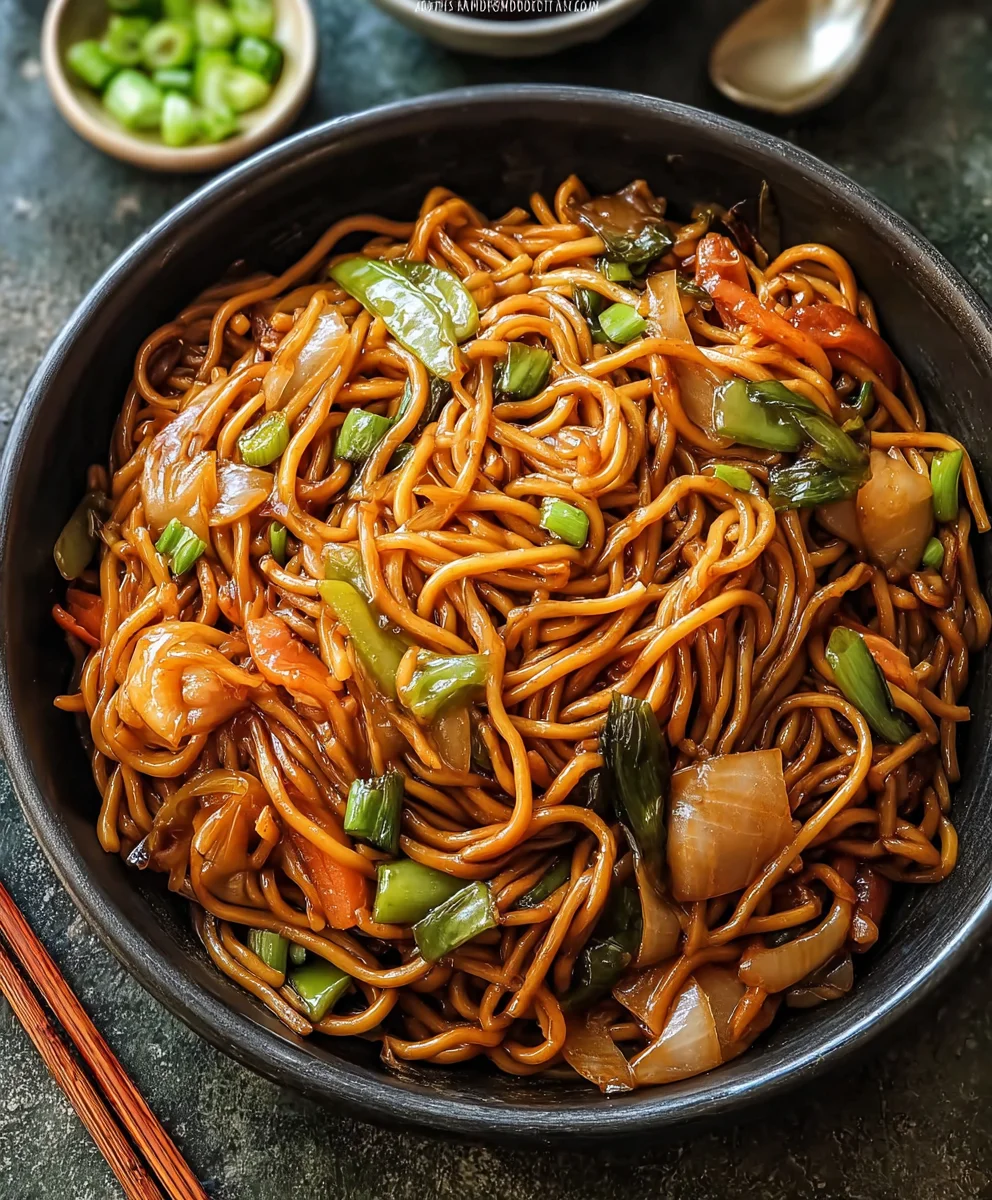
Shanghai Fried Noodles – the very name conjures images of bustling street food stalls and comforting, savory flavors that dance on your palate. If you’ve ever craved a dish that perfectly balances rich umami with a deeply satisfying chew, you are absolutely in for a treat. This iconic stir-fried noodle dish, originating from the vibrant culinary hub of Shanghai, China, is more than just a meal; it’s a culinary journey that brings the heart of authentic Chinese comfort food right into your kitchen.
Why Shanghai Fried Noodles Captivate Palates Worldwide
People adore this dish for countless compelling reasons. Its distinctive thick, chewy noodles, often referred to as ‘thick cut’ or ‘udon-style,’ provide an incredibly satisfying mouthfeel, expertly absorbing the savory dark soy sauce and aromatic ingredients. Coupled with tender slivers of pork or chicken and a medley of crisp greens, each bite offers a symphony of textures and tastes – a delightful blend of salty, slightly sweet, and profoundly savory notes. It’s not only incredibly delicious but also surprisingly quick to prepare, making this particular Shanghai Fried Noodles recipe an ideal choice for a weeknight dinner that feels wonderfully special and exotic.

Ingredients:
- For the Noodles:
- 1 pound (approximately 450-500g) fresh Shanghai-style thick noodles (sometimes labeled “Shanghai noodles” or “chow mein noodles”). If fresh aren’t available, thick udon noodles can be a good substitute.
- 1 tablespoon neutral oil (like canola, vegetable, or grapeseed oil) for tossing.
- For the Pork Marinade:
- 8 ounces (about 225g) lean pork loin or shoulder, thinly sliced against the grain into bite-sized pieces.
- 1 tablespoon light soy sauce (or regular soy sauce).
- 1 teaspoon Shaoxing wine (Chinese cooking wine), optional but highly recommended for authentic flavor.
- 1 teaspoon cornstarch.
- ¼ teaspoon white pepper.
- ½ teaspoon sugar.
- 1 teaspoon neutral oil.
- For the Vegetables:
- 3-4 large dried shiitake mushrooms, rehydrated in hot water for at least 30 minutes, stems removed, caps thinly sliced (or use 1 cup fresh shiitake mushrooms, sliced).
- 4-5 large Napa cabbage leaves, roughly chopped into 1-inch wide pieces.
- 1 medium carrot, peeled and julienned or thinly sliced into matchsticks.
- 3 cloves garlic, minced.
- 1-inch piece fresh ginger, peeled and minced or grated.
- 2 green onions (scallions), white and green parts separated, thinly sliced.
- For the Stir-Fry Sauce:
- 2 tablespoons light soy sauce (or regular soy sauce).
- 1 tablespoon dark soy sauce (for color and depth, not as salty as light soy sauce).
- 1 tablespoon Shaoxing wine.
- 1 tablespoon oyster sauce (optional, for extra umami, ensure it’s gluten-free if needed).
- 1 tablespoon sugar.
- ½ teaspoon white pepper.
- 1 tablespoon sesame oil.
- 2 tablespoons chicken or vegetable broth (or water).
- For Stir-Frying:
- 2-3 tablespoons neutral oil (canola, vegetable, or grapeseed oil).
Preparing the Noodles
- Boil the Noodles: First things first, we need to get those delicious noodles ready! Grab a large pot and fill it with plenty of water. Add a generous pinch of salt – just like you would for pasta – and bring it to a rolling boil over high heat. Once it’s furiously bubbling, carefully add your fresh Shanghai-style noodles. If you’re using dried udon or another type of noodle, follow the package instructions, but aim for al dente. For most fresh Shanghai noodles, this will only take about 2-3 minutes. We want them cooked through but still retaining a good chew, not mushy, as they’ll continue to cook in the wok. This step is crucial for the final texture of your Shanghai Fried Noodles.
- Drain and Prepare: As soon as your noodles are al dente, quickly drain them in a colander. For fresh wheat noodles, I usually give them a very brief rinse under cold water. This stops the cooking process immediately and removes any excess starch, preventing them from clumping together in the wok. Don’t rinse them for too long, though, as we don’t want them to get too cold. Let them drain thoroughly, shaking off as much water as possible.
- Toss with Oil: Transfer the drained noodles to a large bowl. Drizzle them with 1 tablespoon of neutral oil and gently toss them using your hands or tongs. This light coating of oil is a secret weapon; it ensures each strand remains separate and doesn’t stick together, making for perfectly loose and slurpable Shanghai Fried Noodles. Set them aside while we prepare the other components.
Marinating the Pork
- Slice the Pork: Take your pork loin or shoulder and, using a very sharp knife, slice it thinly against the grain into bite-sized pieces. Slicing against the grain shortens the muscle fibers, making the pork much more tender when cooked. Aim for pieces that are roughly 1/8 to 1/4 inch thick.
- Combine Marinade Ingredients: In a medium bowl, combine the sliced pork with 1 tablespoon light soy sauce, 1 teaspoon Shaoxing wine (if using), 1 teaspoon cornstarch, ¼ teaspoon white pepper, ½ teaspoon sugar, and 1 teaspoon neutral oil. The cornstarch creates a protective coating that helps tenderize the meat and keep it moist during stir-frying, giving it that wonderfully silky “velvet” texture often found in Chinese dishes. The soy sauce and Shaoxing wine infuse flavor, while the sugar helps balance the savory notes.
- Mix and Marinate: Use your hands to thoroughly mix the marinade into the pork, ensuring every piece is evenly coated. Massage it gently for about 30 seconds. Cover the bowl and let the pork marinate at room temperature for at least 15-20 minutes while you prepare your other ingredients. If you’re doing this in advance, you can marinate it in the refrigerator for up to an hour, but bring it back to room temperature before cooking for more even results.
Prepping the Vegetables
- Rehydrate and Slice Shiitake Mushrooms: If using dried shiitake mushrooms, ensure they are fully rehydrated and soft. Squeeze out any excess water from the caps (don’t discard the soaking liquid if you plan to use it for a stock later!). Remove the tough stems and thinly slice the caps. If using fresh, simply slice them.
- Chop Napa Cabbage: Take your Napa cabbage leaves and roughly chop them into 1-inch wide pieces. Napa cabbage has a lovely mild flavor and a tender-crisp texture that works beautifully in Shanghai Fried Noodles.
- Julienne Carrots: Peel your carrot and either julienne it into thin matchsticks or slice it thinly into small, uniform pieces. Carrots add a touch of sweetness and vibrant color, not to mention a nice crunch.
- Mince Aromatics: Peel and mince your garlic cloves very finely. Do the same for your fresh ginger. These aromatics are the backbone of flavor for our dish, so don’t skimp on them!
- Slice Green Onions: Slice the white and green parts of your green onions separately. The white parts go into the wok earlier to release their flavor, while the vibrant green parts are typically added at the very end for freshness and a pop of color.
- Arrange for Stir-Frying: Organize all your prepped ingredients neatly near your stovetop. In stir-frying, speed is key, so having everything ready (this is called “mise en place”) makes the process smooth and prevents overcooking.
Whisking the Stir-Fry Sauce
- Combine Sauce Ingredients: In a small bowl or liquid measuring cup, combine all the stir-fry sauce ingredients: 2 tablespoons light soy sauce, 1 tablespoon dark soy sauce, 1 tablespoon Shaoxing wine, 1 tablespoon oyster sauce (if using), 1 tablespoon sugar, ½ teaspoon white pepper, 1 tablespoon sesame oil, and 2 tablespoons chicken or vegetable broth (or water).
- Whisk Thoroughly: Use a small whisk or a fork to thoroughly combine all the sauce ingredients until the sugar is dissolved and everything is well integrated. This step is incredibly important! Having the sauce pre-mixed means you can add it to the hot wok in one swift motion, allowing it to coat all the ingredients evenly without the risk of burning or uneven seasoning. Trust me, you don’t want to be fumbling with individual bottles once the stir-frying begins! Set this aside, ready for action.
The Stir-Frying Process: Building the Shanghai Fried Noodles
- Heat the Wok and Cook Pork: Place your large wok or a very large, heavy-bottomed skillet over high heat. Let it heat up until it’s smoking slightly. This initial high heat is essential for good stir-frying. Add 1 tablespoon of neutral oil, swirling to coat the surface. Immediately add the marinated pork in a single layer. Let it sear undisturbed for about 30-60 seconds to develop a nice brown crust, then stir-fry it vigorously for another 1-2 minutes until it’s cooked through and lightly browned on all sides. Be careful not to overcrowd the wok, as this will steam the meat instead of searing it. Once cooked, remove the pork from the wok and set it aside in a clean bowl. We’ll add it back later to ensure it doesn’t overcook.
- Sauté Aromatics: If the wok looks a bit dry, add another tablespoon of neutral oil. Reduce the heat to medium-high if your wok is retaining too much heat. Add the minced garlic and ginger, along with the white parts of the sliced green onions. Stir-fry these aromatics for about 30 seconds to 1 minute, until they become incredibly fragrant. Your kitchen should start smelling amazing right now! Be very careful not to let them burn, as burnt garlic or ginger can impart a bitter taste to your delicious Shanghai Fried Noodles. Keep them moving in the hot oil.
- Cook Harder Vegetables: Next, add the julienned carrots to the wok. Since carrots are denser and take a little longer to cook, give them a head start. Stir-fry for about 1 minute until they start to soften slightly but still have a good bite. Then, add the sliced shiitake mushrooms. Continue to stir-fry for another 2-3 minutes, allowing the mushrooms to release their moisture and develop a beautiful savory aroma.
- Add Softer Vegetables: Now, it’s time for the Napa cabbage. Add the chopped cabbage to the wok. Stir-fry for 2-3 minutes, tossing constantly. The cabbage will begin to wilt down, but we want it to retain some of its crispness – not become completely limp. The goal is “tender-crisp,” where the vegetables are cooked but still offer a pleasant texture.
- Reintroduce Pork and Noodles: Once the vegetables are where we want them, bring the cooked pork back into the wok. Then, add your prepared, oil-tossed Shanghai noodles. This is where the magic really starts to happen!
- Pour in the Sauce: Give your pre-mixed stir-fry sauce another quick whisk, just in case anything has settled, then pour it evenly over all the ingredients in the wok. Listen to that satisfying sizzle!
- Toss and Combine Vigorously: Immediately, using a pair of sturdy tongs or two spatulas, begin to toss and fold everything together. This is a crucial step! You need to mix vigorously, lifting the noodles from the bottom of the wok and folding them over the vegetables and pork, ensuring that every single noodle strand and every piece of vegetable is thoroughly coated in that beautiful, savory sauce. Keep tossing for 2-3 minutes. You’ll notice the sauce thickening slightly and clinging to the noodles, transforming them into that classic glossy, appetizing look. The aroma in your kitchen should be intoxicating at this point – savory, slightly sweet, and incredibly rich.
- Final Touches and Taste Test: Once everything is beautifully combined and heated through, add the green parts of your sliced green onions. Give it one final, quick toss to incorporate them, allowing their fresh, oniony flavor to just barely warm through. Take a small taste of your Shanghai Fried Noodles. This is your chance to adjust the seasoning if needed. Does it need a touch more soy sauce for saltiness? A pinch more sugar for balance? Perhaps a tiny dash of white pepper? Adjust to your personal preference.
Serving Your Delicious Shanghai Fried Noodles
- Serve Immediately: Transfer your glorious Shanghai Fried Noodles directly from the wok to individual serving plates or a large platter. Stir-fries, especially noodle dishes, are best enjoyed immediately while they are hot and fresh, as the noodles can absorb too much sauce and soften if left to sit for too long.
- Garnish (Optional): For an extra touch of freshness and visual appeal, you can garnish your Shanghai Fried Noodles with a sprinkle of additional sliced green onions or a drizzle of chili oil if you enjoy a little heat.
- Enjoy: Gather your loved ones and savor the rich, umami flavors and wonderful textures of your homemade Shanghai Fried Noodles. You’ve put in the effort, and now it’s time to reap the delicious rewards!
Conclusion:
Well, my friends, we’ve reached the end of our culinary journey for today, and I truly hope you’re as excited as I am about what we’ve just discussed! If there’s one dish I could implore you to try, to add to your weeknight rotation, or to impress your next dinner guests with, it would undoubtedly be this incredible recipe. What makes these particular noodles so special, you ask? It’s the perfect harmony of savory and slightly sweet notes, the delightful chewiness of the thick noodles, and the incredible depth of flavor that comes from simple, yet potent, ingredients. It’s more than just a meal; it’s an experience that transports you straight to the bustling streets of Shanghai with every single bite.
I can confidently say that these aren’t just any stir-fried noodles; they are a revelation. The way the sauce clings to each strand, the satisfying crunch of the fresh vegetables, and the tender bites of protein all come together in a symphony of textures and tastes. It’s a dish that manages to be both comforting and exotic, familiar yet exciting. And the best part? It’s surprisingly simple to master, even for novice cooks. Don’t let the thought of making authentic Asian cuisine intimidate you; this recipe is designed to guide you effortlessly towards a truly spectacular result. The aroma alone, as it fills your kitchen, is enough to get your mouth watering, promising a feast that truly delivers on its promise of deliciousness.
Now, let’s talk about making this dish truly your own. While the core recipe for these Shanghai Fried Noodles is fantastic as is, there are so many ways to customize it to suit your preferences or whatever you have on hand. For a heartier meal, consider adding extra slices of char siu pork, thinly sliced chicken breast, or even some succulent shrimp. If you’re leaning towards a vegetarian option, pressed tofu or tempeh, marinated and pan-fried until golden, would be an excellent addition, soaking up all those wonderful flavors. Don’t be shy about experimenting with vegetables either! Bok choy, snap peas, mushrooms, or even some blanched broccoli florets can elevate the dish and add more nutritional value and vibrant colors. A sprinkle of toasted sesame seeds or a drizzle of chili oil right before serving can add a beautiful finish and an extra kick, respectively.
For serving, these noodles are absolutely fantastic as a stand-alone main course, especially for a quick and satisfying lunch or dinner. However, they also shine brightly as part of a larger Asian-inspired spread. Imagine them alongside some crispy spring rolls, a light cucumber salad, or perhaps a bowl of hot and sour soup. They’re also phenomenal with some perfectly steamed dumplings or a side of blanched garlic greens. And if you happen to have any leftovers – a rare occurrence, I promise! – they pack beautifully for lunch the next day, often tasting even better as the flavors have had more time to meld. Just a quick reheat in a pan or microwave, and you’re back in noodle heaven.
So, what are you waiting for? Take this recipe, head into your kitchen, and embark on your own delicious adventure. I wholeheartedly encourage you to give these incredible noodles a try. Don’t just read about them; experience the joy of cooking and eating them for yourself. You’ll be amazed at how easily you can recreate such an authentic and satisfying dish right in your own home. Once you’ve whipped up your batch, please, please share your experience with me! I absolutely love seeing your culinary creations and hearing about your successes. Did you add a unique twist? Did you serve it with something unexpected? Did your family rave about it? Snap a photo, leave a comment below, or share your thoughts on social media. Your feedback and stories inspire me and others in our cooking community. Let’s get cooking, and let’s make some amazing Shanghai Fried Noodles together!
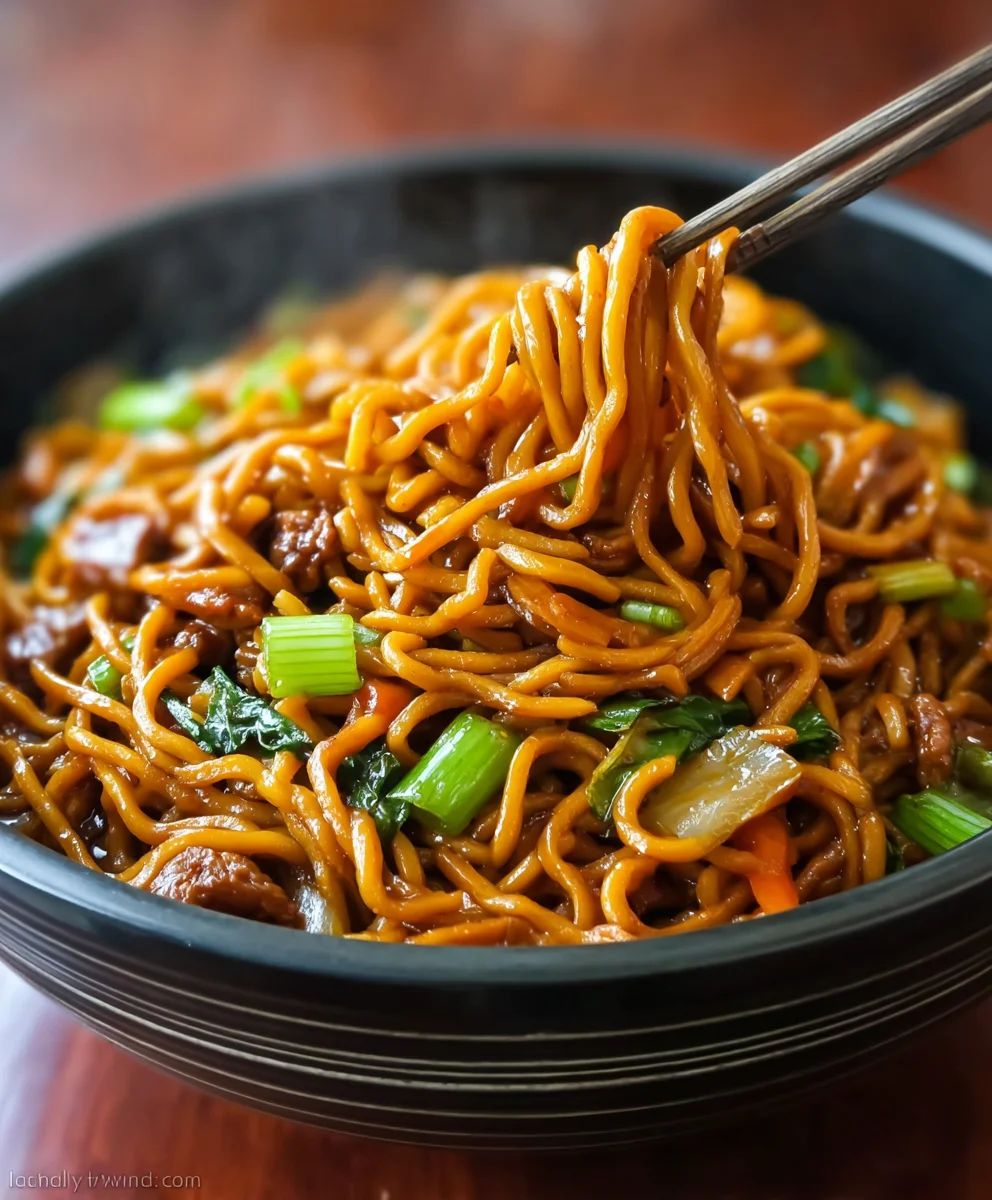
Shanghai Fried Noodles: Savory Beef & Noodle Delight
This iconic stir-fried noodle dish, originating from the vibrant culinary hub of Shanghai, China, is more than just a meal; it’s a culinary journey that brings the heart of authentic Chinese comfort food right into your kitchen.
Ingredients
-
1 lb (450-500g) fresh Shanghai-style thick noodles (or thick udon)
-
1 tbsp neutral oil, for tossing noodles
-
8 oz (225g) lean beef (sirloin or flank steak), thinly sliced
-
1 tbsp light soy sauce (for beef marinade)
-
1 tsp non-alcoholic cooking wine or chicken broth (for beef marinade)
-
1 tsp cornstarch
-
1/4 tsp white pepper (for beef marinade)
-
1/2 tsp sugar (for beef marinade)
-
1 tsp neutral oil (for beef marinade)
-
3-4 large dried shiitake mushrooms (rehydrated & sliced) OR 1 cup fresh, sliced
-
4-5 large Napa cabbage leaves, roughly chopped
-
1 medium carrot, julienned or thinly sliced
-
3 cloves garlic, minced
-
1-inch fresh ginger, minced or grated
-
2 green onions, thinly sliced (white and green parts separated)
-
2 tbsp light soy sauce (for stir-fry sauce)
-
1 tbsp dark soy sauce
-
1 tbsp non-alcoholic cooking wine or chicken broth (for stir-fry sauce)
-
1 tbsp oyster sauce (optional)
-
1 tbsp sugar (for stir-fry sauce)
-
1/2 tsp white pepper (for stir-fry sauce)
-
1 tbsp sesame oil
-
2 tbsp chicken or vegetable broth (for stir-fry sauce)
-
2-3 tbsp neutral oil, for stir-frying
Instructions
-
Step 1
Prepare Noodles: Boil 1 lb Shanghai-style noodles in salted water for 2-3 minutes until al dente. Drain, rinse briefly under cold water to stop cooking and remove starch, then toss with 1 tbsp neutral oil to prevent sticking. Set aside. -
Step 2
Marinate Beef: Thinly slice 8 oz lean beef against the grain into bite-sized pieces. In a bowl, combine beef with 1 tbsp light soy sauce, 1 tsp non-alcoholic cooking wine (or chicken broth), 1 tsp cornstarch, 1/4 tsp white pepper, 1/2 tsp sugar, and 1 tsp neutral oil. Mix well and let marinate at room temperature for 15-20 minutes. -
Step 3
Prep Vegetables & Sauce: Rehydrate and thinly slice shiitake mushrooms (if using dried). Roughly chop 4-5 Napa cabbage leaves (1-inch pieces), julienne 1 carrot, mince 3 garlic cloves and 1-inch fresh ginger. Thinly slice 2 green onions, separating the white and green parts. In a small bowl, whisk together the stir-fry sauce: 2 tbsp light soy sauce, 1 tbsp dark soy sauce, 1 tbsp non-alcoholic cooking wine (or chicken broth), 1 tbsp oyster sauce (optional), 1 tbsp sugar, 1/2 tsp white pepper, 1 tbsp sesame oil, and 2 tbsp chicken or vegetable broth. Set aside. -
Step 4
Stir-Fry Beef: Heat 1 tbsp neutral oil in a large wok or skillet over high heat until smoking. Add marinated beef in a single layer; sear for 30-60 seconds, then stir-fry vigorously for 1-2 minutes until cooked and lightly browned. Remove beef from wok and set aside. -
Step 5
Sauté Aromatics & Vegetables: Add another 1 tbsp neutral oil to the wok if dry. Add minced garlic, ginger, and the white parts of green onions; stir-fry for 30-60 seconds until fragrant. Add julienned carrots and stir-fry for 1 minute. Add sliced shiitake mushrooms and stir-fry for 2-3 minutes. Add chopped Napa cabbage and stir-fry for 2-3 minutes until tender-crisp. -
Step 6
Combine & Sauce: Return the cooked beef to the wok. Add the prepared, oil-tossed noodles. Re-whisk the stir-fry sauce and pour it evenly over all ingredients in the wok. -
Step 7
Toss & Finish: Using sturdy tongs or spatulas, vigorously toss and fold all ingredients for 2-3 minutes, ensuring every noodle strand and vegetable piece is thoroughly coated in the thickening sauce. Add the green parts of green onions and toss briefly to incorporate. Taste and adjust seasoning as needed. -
Step 8
Serve: Transfer the Shanghai Fried Noodles immediately from the wok to individual serving plates or a large platter. Garnish with additional sliced green onions or a drizzle of chili oil, if desired. Serve hot and enjoy.
Important Information
Nutrition Facts (Per Serving)
It is important to consider this information as approximate and not to use it as definitive health advice.
Allergy Information
Please check ingredients for potential allergens and consult a health professional if in doubt.

Leave a Comment