

Potato Curry Recipe is a cornerstone in countless kitchens worldwide, offering a warmth and satisfaction that few dishes can match. Have you ever craved a meal that is both incredibly comforting and bursting with vibrant, aromatic flavors? Then you’ve come to the right place! I am absolutely thrilled to guide you through preparing a dish that transcends mere sustenance, becoming a celebration of humble ingredients transformed into something truly extraordinary.
This beloved dish boasts a rich tapestry of history, with variations gracing tables from the bustling streets of India to the serene landscapes of Sri Lanka and beyond. It’s a testament to how simple potatoes, when lovingly slow-cooked with a symphony of spices, can create an unforgettable culinary experience. People adore this particular Potato Curry Recipe not just for its incredible taste—the creamy texture of the potatoes, perfectly infused with spices like turmeric, cumin, and coriander—but also for its remarkable versatility, budget-friendliness, and its natural ability to be a wholesome, plant-based meal. It’s truly a dish that comforts the soul and excites the palate, proving that culinary magic often resides in simplicity.

Ingredients:
- For the Potatoes:
- 3 large (about 2 pounds or 900g) Yukon Gold, Russet, or Red Bliss potatoes, peeled and cut into 1-inch cubes. I find Yukon Golds hold their shape well while still contributing to a creamy texture.
- 1 tablespoon neutral cooking oil (like canola or vegetable oil), for pre-frying the potatoes if you choose to.
- For the Aromatic Base:
- 2 tablespoons neutral cooking oil (like canola, vegetable, or ghee if you prefer a richer flavor).
- 1 teaspoon whole cumin seeds.
- 1 large onion (about 1.5 cups), finely chopped.
- 1.5 tablespoons fresh ginger, finely minced or grated.
- 1.5 tablespoons fresh garlic, finely minced.
- 1-2 green chilies (like serrano or Thai bird’s eye), finely minced, adjust to your spice preference. Remove seeds for less heat.
- For the Tomato and Spice Blend:
- 1 large ripe tomato (about 1 cup), finely chopped, or 1/2 cup canned crushed tomatoes. I often use fresh for a brighter flavor.
- 1/2 teaspoon turmeric powder.
- 1 teaspoon red chili powder (Kashmiri chili powder for color, or hotter variety if you dare!).
- 1.5 tablespoons ground coriander.
- 1 teaspoon ground cumin.
- 1/2 teaspoon garam masala, to be added at the end.
- For the Liquid and Creaminess:
- 1 cup full-fat coconut milk (canned, unsweetened) for a dairy-free creamy texture, or 1/2 cup heavy cream for a richer, more traditional North Indian style.
- 1.5 – 2 cups hot water or vegetable broth.
- For Seasoning and Garnish:
- 1.5 teaspoons salt, or to taste.
- 1/2 teaspoon sugar (optional, helps balance acidity of tomatoes).
- 1/2 teaspoon dried fenugreek leaves (kasoori methi), crushed between your palms (optional, but highly recommended for authentic flavor).
- 1/4 cup fresh cilantro, finely chopped, for garnish.
- 1-2 tablespoons fresh lemon juice (optional, for brightness).
Preparation for Your Delicious Potato Curry Recipe
Creating a truly magnificent potato curry, a staple in so many cuisines, begins long before the heat hits the pan. It’s all about thoughtful preparation, ensuring every ingredient is ready to contribute its best to the symphony of flavors we’re about to create. Think of this as your mise en place, the chef’s secret to a smooth cooking experience.
- Prepare the Potatoes: First things first, let’s get those potatoes ready. I like to peel my potatoes for this recipe, as it ensures a silky smooth texture in the final curry. Once peeled, cut them into roughly 1-inch cubes. Uniformity here is key, my friend; it ensures all the potato pieces cook evenly, so you don’t end up with some mushy and some still hard. After dicing, I always recommend rinsing the potato cubes under cold water to remove excess starch. This simple step can prevent them from sticking together and helps achieve that beautiful, individual bite in your potato curry. Some even like to soak them for 15-20 minutes, which can further improve texture. If you choose to, you can lightly pre-fry your potato cubes in a separate pan with 1 tablespoon of oil until they just start to get a light golden crust. This step, while optional, adds a lovely texture and helps the potatoes retain their shape even better during the simmering process, giving your potato curry an extra layer of deliciousness. Set them aside on a paper towel-lined plate if you do pre-fry them.
- Chop the Aromatics: Now, for the aromatic backbone of our potato curry. Take your large onion and finely chop it. The goal here is small, even pieces that will melt into the sauce, providing sweetness and body without being too chunky. Next, peel and finely mince or grate your fresh ginger and garlic. I prefer mincing for a bit of texture, but grating works beautifully too. For the green chilies, remember to adjust to your personal spice tolerance. For a milder potato curry, you might de-seed them or use fewer; for a fiery kick, leave the seeds in and use a couple more! Finely mince them as well. Having these ready in separate small bowls makes the cooking process much more streamlined.
- Gather Your Spices: This is a crucial step for any Indian-inspired potato curry. Measure out all your ground spices – turmeric, red chili powder, ground coriander, ground cumin – into one small bowl. This prevents you from fumbling for individual spice jars while things are sizzling in the pan, risking burning. Keep your garam masala and dried fenugreek leaves (kasoori methi) separate, as they’ll be added later in the cooking process.
- Prepare Liquids and Garnishes: Open your can of coconut milk and give it a good stir if the cream has separated. Measure out your hot water or vegetable broth. Lastly, wash and finely chop your fresh cilantro for garnish. If using lemon juice, have half a lemon ready to squeeze. Having all these components prepped ensures a smooth, enjoyable cooking experience for your incredible potato curry.
Cooking the Perfect Potato Curry Base
With all our ingredients meticulously prepped, we’re ready to bring this potato curry to life. This phase is where the magic truly happens, building layers of flavor that will make your taste buds sing. Patience and attention to detail during these steps are key to a rich, complex, and utterly satisfying curry.
- Heat Oil and Temper Whole Spices: Place a large, heavy-bottomed pot or Dutch oven over medium heat. Add 2 tablespoons of neutral cooking oil (or ghee). Once the oil is shimmering and hot, but not smoking, add the whole cumin seeds. Let them sizzle and crackle for about 15-30 seconds until they turn a shade darker and become incredibly fragrant. Do not let them burn, as burnt spices will impart a bitter flavor to your entire potato curry. This step, known as tempering, awakens the spices and infuses the oil with their essence.
- Sauté the Onions: Immediately after the cumin seeds are fragrant, add the finely chopped onions to the pot. Stir well to coat them in the infused oil. Reduce the heat slightly to medium-low and cook the onions patiently. This is not a race! We want them to soften, become translucent, and eventually turn a beautiful golden-brown color. This process can take anywhere from 8 to 12 minutes, depending on your heat and the pan. Stir frequently to prevent sticking. Properly caramelized onions are the foundation of a flavorful potato curry, adding sweetness and depth that cannot be rushed.
- Add Ginger, Garlic, and Green Chilies: Once your onions have reached that lovely golden hue, it’s time to introduce the minced ginger, garlic, and green chilies. Add them to the pot and sauté for another 1 to 2 minutes. Stir constantly until they become wonderfully fragrant. You’ll notice an incredible aroma filling your kitchen – that’s the sign you’re doing it right! Be careful not to burn the garlic, as it can turn bitter very quickly.
- Cook Down the Tomatoes: Now, add your finely chopped fresh tomato or crushed canned tomatoes to the pot. Stir everything together. Cook the tomatoes for about 3-5 minutes, mashing them gently with the back of your spoon as they soften. The goal here is to cook them down until they release their moisture and the oil starts to separate from the mixture, shimmering on the edges. This indicates that the raw tomato flavor has cooked out, and the base for your potato curry is becoming incredibly rich. You can add the optional 1/2 teaspoon of sugar here to balance the tomato’s acidity.
- Introduce the Ground Spices: With the tomato base ready, reduce the heat to low. Add the pre-measured bowl of ground spices: turmeric powder, red chili powder, ground coriander, and ground cumin. Stir continuously for just about 30-60 seconds. It’s crucial to cook these spices briefly to toast them and unleash their full flavor potential. If the mixture seems too dry and the spices threaten to burn, add a tiny splash (a tablespoon or two) of hot water or broth to create a paste-like consistency. Cooking the spices without burning them is absolutely vital for a delicious and well-balanced potato curry; burnt spices will leave an acrid taste.
Simmering Your Potato Curry to Creamy Perfection
We’ve built an incredible flavor base, and now it’s time to bring in the star of our show: the potatoes! This simmering stage is where all the flavors meld together, and the potatoes absorb the aromatic goodness of the curry, transforming into a tender, delightful dish. This is where your potato curry truly comes into its own.
- Add the Chopped Potatoes: If you pre-fried your potatoes, carefully add them to the pot. If not, add your raw, rinsed 1-inch potato cubes directly to the spice mixture. Stir everything gently but thoroughly, ensuring that every piece of potato is beautifully coated with the fragrant, vibrant spice paste we’ve just created. This step ensures that the potatoes begin absorbing flavor right from the start.
- Pour in Liquids and Bring to a Boil: Now, pour in your full-fat coconut milk (or heavy cream) and 1.5 cups of hot water or vegetable broth. Give it another gentle stir. Add the salt at this stage. Increase the heat to medium-high and bring the mixture to a gentle boil. As soon as it starts bubbling, reduce the heat to low.
- Cover and Simmer: Once boiling, immediately reduce the heat to low, cover the pot with a tight-fitting lid, and let your potato curry simmer. The simmering time will typically be between 15 to 25 minutes, but the key is to cook until the potatoes are fork-tender. Check periodically by carefully piercing a potato cube with a fork; it should go in easily without resistance, but the potato should not be falling apart. Overcooking will result in a mushy texture, while undercooking leaves you with hard potatoes.
- Adjust Consistency (and Maybe Mash a Little): After the potatoes are tender, take a look at the consistency of your potato curry. If it seems too thick for your liking, you can add another 1/2 cup of hot water or broth, stirring it in gently. If it’s too thin, simply remove the lid and let it simmer uncovered for a few more minutes, allowing some of the liquid to evaporate and the curry to thicken. A little trick for extra creaminess: gently mash a few of the potato cubes against the side of the pot with your spoon. This releases some of the starch, naturally thickening the curry and giving it a wonderfully creamy mouthfeel without needing extra thickeners.
- Add Garam Masala and Kasoori Methi: This is a crucial step for finishing the flavor profile of your potato curry. Remove the pot from the heat. Stir in the 1/2 teaspoon of garam masala. If you have them, take the 1/2 teaspoon of dried fenugreek leaves (kasoori methi) and crush them between your palms before adding them to the curry. This action releases their unique, slightly bitter, maple-like aroma, which is characteristic of many authentic Indian curries. Stir these in well.
Finishing Touches for the Best Potato Curry Recipe
The potato curry is almost complete, but these final steps elevate it from a great dish to an unforgettable one. These last-minute additions brighten flavors and add a professional touch that will make your homemade potato curry truly shine.
- Garnish with Fresh Cilantro: Once the garam masala and kasoori methi are incorporated, and the heat is off, sprinkle in a generous amount of fresh, finely chopped cilantro. The fresh herbs add a burst of color and a wonderful herbaceous note that cuts through the richness of the curry.
- Add a Squeeze of Lemon Juice (Optional but Recommended): For an extra layer of brightness and to lift all the flavors, squeeze in 1-2 tablespoons of fresh lemon juice just before serving. This is an optional step, but I find it adds a refreshing tang that beautifully complements the creamy, spicy notes of the potato curry.
- Taste and Adjust Seasoning: This is the moment of truth! Take a small spoonful of your potato curry and taste it. Does it need more salt? A little more spice? Perhaps another tiny squeeze of lemon? Adjust any seasonings to your preference. Remember, you are the chef, and your palate is the ultimate guide to perfection.
Tips and Variations for Your Potato Curry
Now that you’ve mastered the basic potato curry recipe, let’s explore some ways to personalize it, ensure consistent success, and pair it perfectly. These insights come from years of cooking and experimenting, and I’m delighted to share them with you to make your potato curry experience even better!
Choosing the Right Potatoes for Your Potato Curry:
- Starchy vs. Waxy: For a potato curry, I generally recommend using Yukon Gold potatoes. They are considered an all-purpose potato, offering a good balance: they hold their shape reasonably well during simmering, preventing them from completely disintegrating, while also contributing a lovely creaminess to the sauce as some starch leaches out. Russet potatoes are starchier and will break down more, which is great if you want an extra-creamy, almost mashed-potato-like consistency in your curry. Red Bliss or new potatoes are waxier and hold their shape beautifully, but won’t contribute as much starch to thicken the sauce.
- Size of Dice: As mentioned, 1-inch cubes are ideal. If you cut them too small, they’ll turn to mush; too large, and they’ll take ages to cook. Consistency is key for even cooking.
Adjusting Spice Levels in Your Potato Curry:
- For a Milder Curry: Reduce the amount of red chili powder or use a mild variety like Kashmiri chili powder, which is more for color than heat. You can also de-seed your green chilies or omit them entirely. If you’re sensitive to heat, start with half the recommended amount and taste before adding more.
- For a Hotter Curry: Increase the quantity of green chilies (don’t de-seed them!), or use a hotter variety of red chili powder. A pinch of cayenne pepper can also be added along with the other ground spices for an extra kick.
Making Your Potato Curry Vegan/Dairy-Free (already covered by coconut milk):
- This particular potato curry recipe is wonderfully vegan and dairy-free if you stick with coconut milk and vegetable oil (or a plant-based ghee). Coconut milk provides a rich, creamy texture without any dairy, making this a fantastic option for various dietary preferences. If you wanted to use heavy cream for a non-vegan version, simply swap out the coconut milk 1:1.
Adding Other Vegetables to Your Potato Curry:
- This potato curry recipe is incredibly versatile! You can easily turn it into a mixed vegetable curry by adding other ingredients.
- Peas: Frozen peas are a classic addition. Stir them in during the last 5-7 minutes of simmering so they cook through but retain their bright color and texture.
- Cauliflower: Add florets along with the potatoes; they will cook at a similar rate.
- Spinach: Fresh spinach can be stirred in during the last few minutes of cooking, allowing it to wilt into the hot curry.
- Carrots/Green Beans: Dice carrots or chop green beans and add them with the potatoes.
Serving Suggestions for Your Potato Curry:
- With Grains: Your delicious potato curry is absolutely phenomenal served alongside a fluffy basmati rice, plain steamed white rice, or even brown rice. The grains perfectly soak up all that incredible sauce.
- With Breads: For a truly authentic experience, pair it with warm, soft naan bread, whole wheat roti, or parathas. These are perfect for scooping up every last bit of that flavorful curry.
- As a Side Dish: It can also be served as a hearty side dish alongside grilled meats or other vegetarian mains.
- Accoutrements: Don’t forget a dollop of plain yogurt (dairy or non-dairy), a sprinkle of extra fresh cilantro, and maybe some sliced red onions or a lime wedge on the side for added freshness.
Storage and Reheating Your Potato Curry:
- Storage: Leftover potato curry stores beautifully! Transfer any cooled leftovers to an airtight container and refrigerate for up to 3-4 days.
- Reheating: Gently reheat on the stovetop over low to medium heat, stirring occasionally, until warmed through. If the curry has thickened too much in the fridge, you might need to add a splash of water or vegetable broth to reach your desired consistency. Microwaving is also an option, heating in short bursts and stirring in between.
Achieving the Perfect Creaminess in Your Potato Curry:
- Beyond mashing a few potatoes as mentioned in step 13, you can also control the creaminess with your choice of liquid. Full-fat coconut milk will give you a richer, thicker curry than light coconut milk or just water. For an even more luxurious texture, you could stir in a tablespoon of cashew paste (cashews soaked and blended with a little water) at the very end.
- Don’t Rush the Simmer: The slow simmer allows the flavors to meld and the potatoes to release their starches, contributing to that lovely, thick sauce. Patience is a virtue here for the best potato curry.
Conclusion:
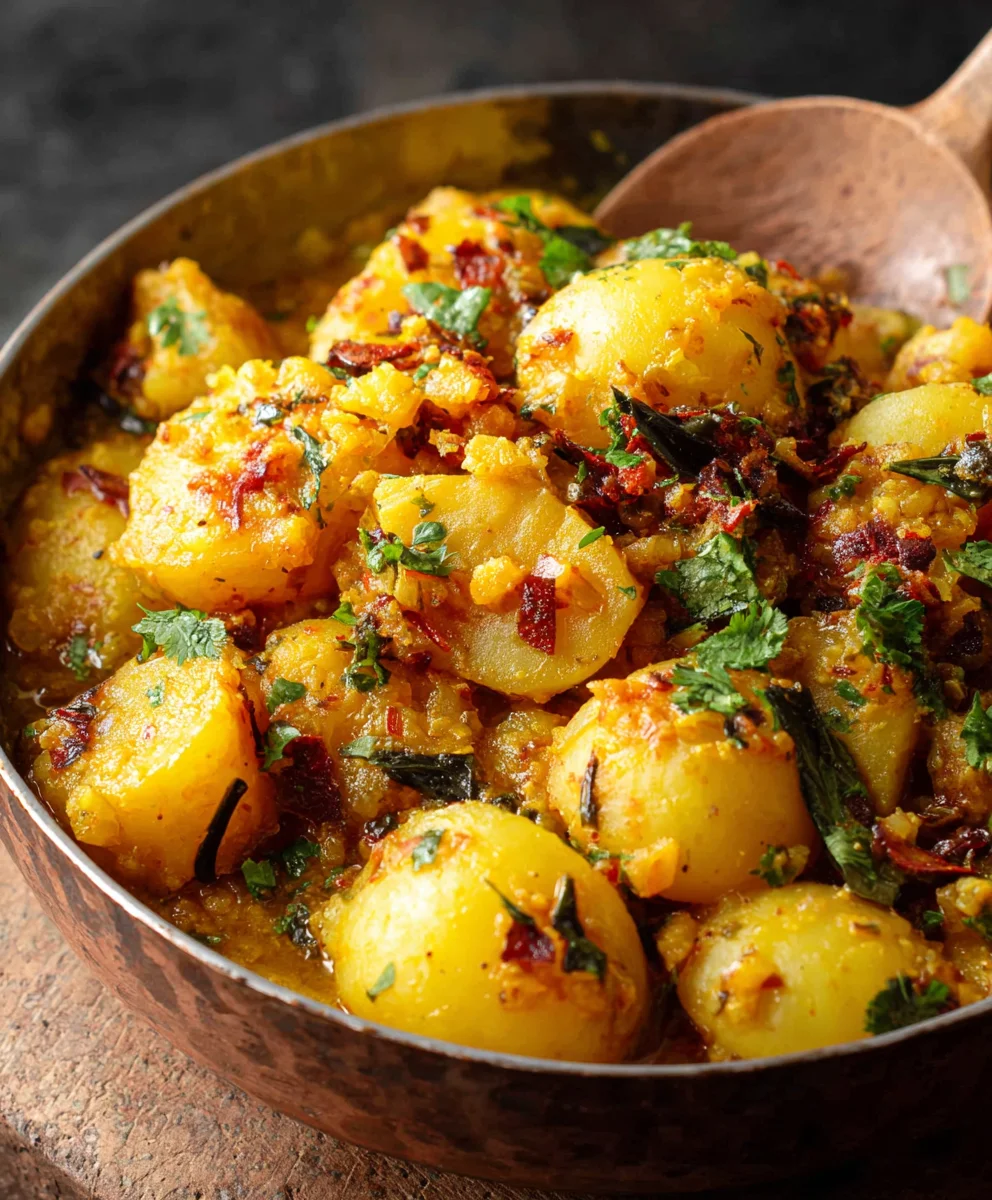
And there you have it, my friends! We’ve reached the culmination of what I truly believe is not just a recipe, but an invitation to experience pure culinary joy. This isn’t merely another dish; it’s a vibrant, aromatic journey for your senses, a testament to how simple ingredients can transform into something truly extraordinary. I’ve poured my heart into crafting this particular Potato Curry Recipe, ensuring it hits all the right notes: that perfect balance of creaminess, the warmth of the spices, and the comforting heartiness that only potatoes can provide. It’s a dish that genuinely feels like a warm hug on a plate, making it an absolute must-try for anyone seeking flavour, comfort, and a little bit of magic in their kitchen.
What makes this recipe stand out, in my humble opinion, is its incredible versatility and universal appeal. Whether you’re a seasoned home cook or just starting your culinary adventures, you’ll find this recipe forgiving, rewarding, and surprisingly straightforward. It’s perfect for busy weeknights when you need something nourishing and quick, yet it’s equally impressive enough to serve to guests at a weekend gathering. The layers of flavour, from the earthy potatoes to the fragrant blend of spices, create a depth that belies its simple preparation. I promise you, one spoonful and you’ll understand exactly why I’m so passionate about sharing this with you. It’s an economical meal that doesn’t compromise on taste, making it a fantastic staple for any household budget.
Elevate Your Dining Experience: Serving Suggestions & Creative Variations
Now, let’s talk about how you can truly make this curry your own! While this dish is undeniably delicious on its own, it truly shines when paired with the right accompaniments. My go-to serving suggestion is to spoon it generously over a bed of fluffy basmati or jasmine rice, allowing the grains to soak up all that incredible, aromatic sauce. For those who love a good bread, warm, pillowy naan bread, chapati, or flaky paratha are absolute game-changers, perfect for scooping up every last drop. A simple side of cooling plain yogurt or a fresh cucumber raita can provide a lovely contrast to the curry’s warmth, while a sprinkle of freshly chopped cilantro brightens everything up with its herbaceous notes.
But don’t stop there! This recipe is incredibly adaptable, inviting you to experiment and infuse your own personal touch. For a heartier meal, consider adding some protein: cooked chickpeas or red lentils stirred in during the last 10 minutes can make it even more substantial and boost the nutritional value, especially for vegetarian and vegan diets. If you’re not strictly plant-based, tender chunks of chicken or paneer would also be wonderful additions. Feel free to amp up the vegetable content by stirring in a handful of fresh spinach, some frozen peas, or even florets of cauliflower during the simmering stage. For those who crave more heat, a pinch more cayenne pepper or a finely chopped green chili can be added, while a swirl of coconut cream at the end can enhance its richness and lend an even more luxurious texture. The possibilities are truly endless, and that’s one of the things I love most about it.
Your Culinary Adventure Awaits!
So, what are you waiting for? I wholeheartedly encourage you to roll up your sleeves, gather your ingredients, and dive into making this exceptional potato curry. Trust me, the aroma alone that will fill your kitchen as it simmers is worth the effort! Cooking should be an adventure, a joyous exploration of flavours and textures, and this recipe is the perfect vehicle for that. Don’t be shy; embrace the process, taste as you go, and adjust it to suit your palate. I truly believe that once you try this recipe, it will quickly earn a permanent spot in your rotation of favourite meals. It’s comforting, flavourful, and utterly satisfying in every way.
Finally, I would absolutely love to hear about your experience! After you’ve whipped up your own batch, please come back and share your thoughts. Did you add a unique twist? What did you serve it with? Your feedback and personal stories are incredibly valuable, not just to me, but to our entire community of food lovers. Your triumphs, your variations, and even your questions help us all grow and learn together. So, go forth, cook with passion, and enjoy every single delicious bite of this magnificent curry. I can’t wait to hear all about your culinary success!
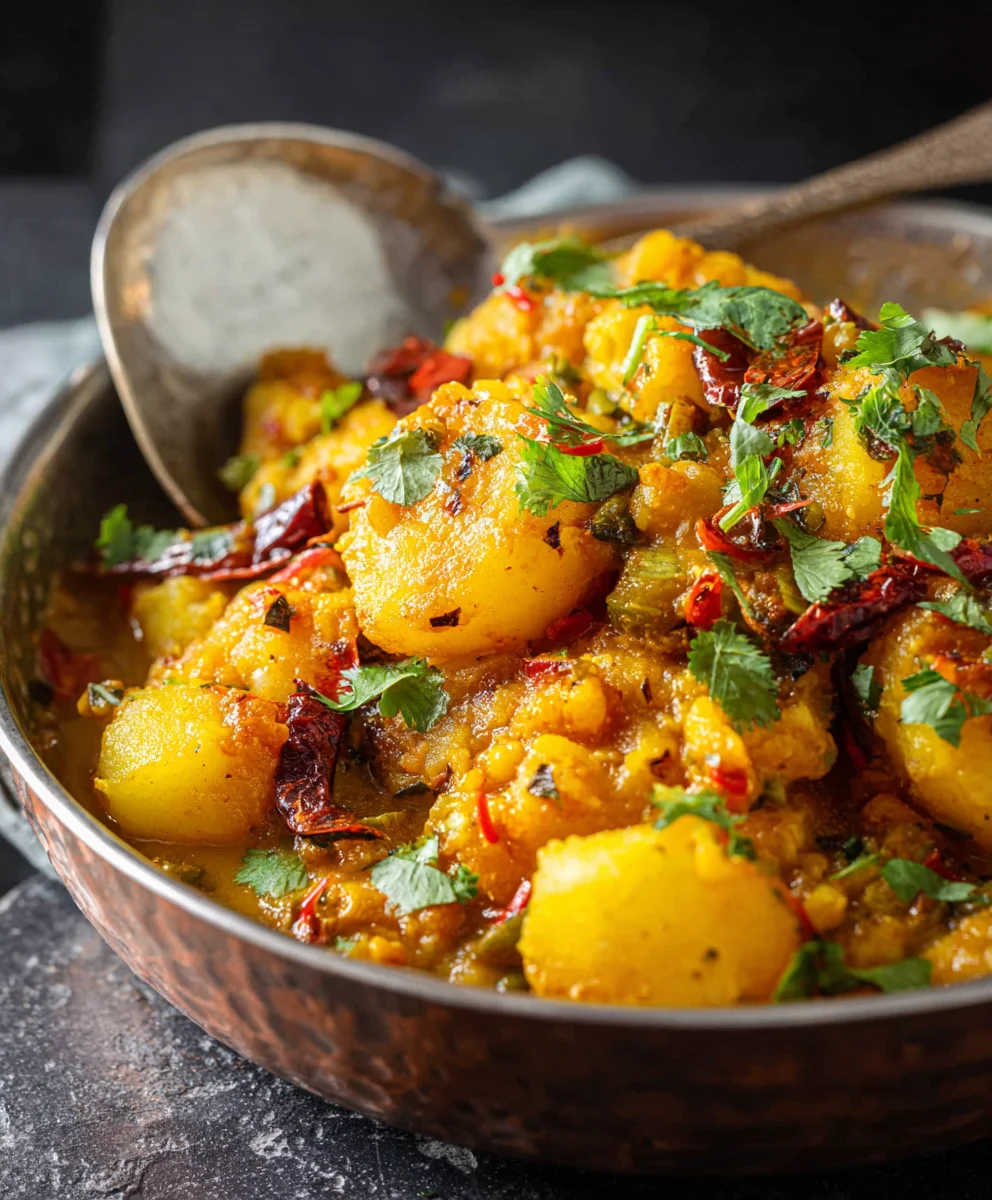
Potato Curry Recipe: Easy & Flavorful Indian Side Dish
A comforting and flavorful Indian side dish, this Potato Curry Recipe transforms humble potatoes into an extraordinary culinary experience with aromatic spices and a creamy texture. It’s a versatile, budget-friendly, and naturally plant-based meal.
Ingredients
-
1 1/2 lbs Yukon Gold potatoes
-
3 tbsp ghee or vegetable oil
-
1 tsp mustard seeds
-
1 tsp cumin seeds
-
1/4 tsp asafoetida
-
10 curry leaves
-
1 medium red onion, diced
-
1 inch piece fresh ginger, minced
-
2 tomatoes, diced
-
2 small green chiles
-
1/2 tsp ground turmeric
-
1/2 tsp ground chili powder
-
1/2 tsp kosher salt
-
2 tbsp cilantro, chopped
Instructions
-
Step 1
Peel and cut 1 1/2 lbs Yukon Gold potatoes into 1-inch cubes. Rinse thoroughly under cold water. -
Step 2
In a large, heavy-bottomed pot, heat 3 tbsp ghee or vegetable oil over medium heat. Once shimmering, add 1 tsp mustard seeds and 1 tsp cumin seeds. Let them sizzle and crackle for 15-30 seconds until fragrant. Add 1/4 tsp asafoetida and 10 curry leaves; sauté for a few seconds. -
Step 3
Add 1 medium diced red onion to the pot. Reduce heat to medium-low and cook for 8-12 minutes, stirring frequently, until the onion is golden brown and softened. Stir in 1 inch minced fresh ginger and 2 small green chiles; cook for another 1-2 minutes until fragrant. -
Step 4
Add 2 diced tomatoes, 1/2 tsp ground turmeric, 1/2 tsp ground chili powder, and 1/2 tsp kosher salt to the pot. Cook for 3-5 minutes, mashing tomatoes gently, until they soften and the oil begins to separate from the mixture. -
Step 5
Add the prepared potato cubes to the pot, stirring gently to coat them with the spice mixture. Pour in enough hot water or vegetable broth to just cover the potatoes (approx. 1.5-2 cups). Bring the mixture to a gentle boil, then reduce heat to low, cover the pot, and simmer for 15-25 minutes until the potatoes are fork-tender. Gently mash a few potato cubes against the side of the pot for extra creaminess, if desired. -
Step 6
Garnish generously with 2 tbsp fresh chopped cilantro before serving. Taste and adjust salt or spice as needed. Serve hot.
Important Information
Nutrition Facts (Per Serving)
It is important to consider this information as approximate and not to use it as definitive health advice.
Allergy Information
Please check ingredients for potential allergens and consult a health professional if in doubt.


Leave a Comment