

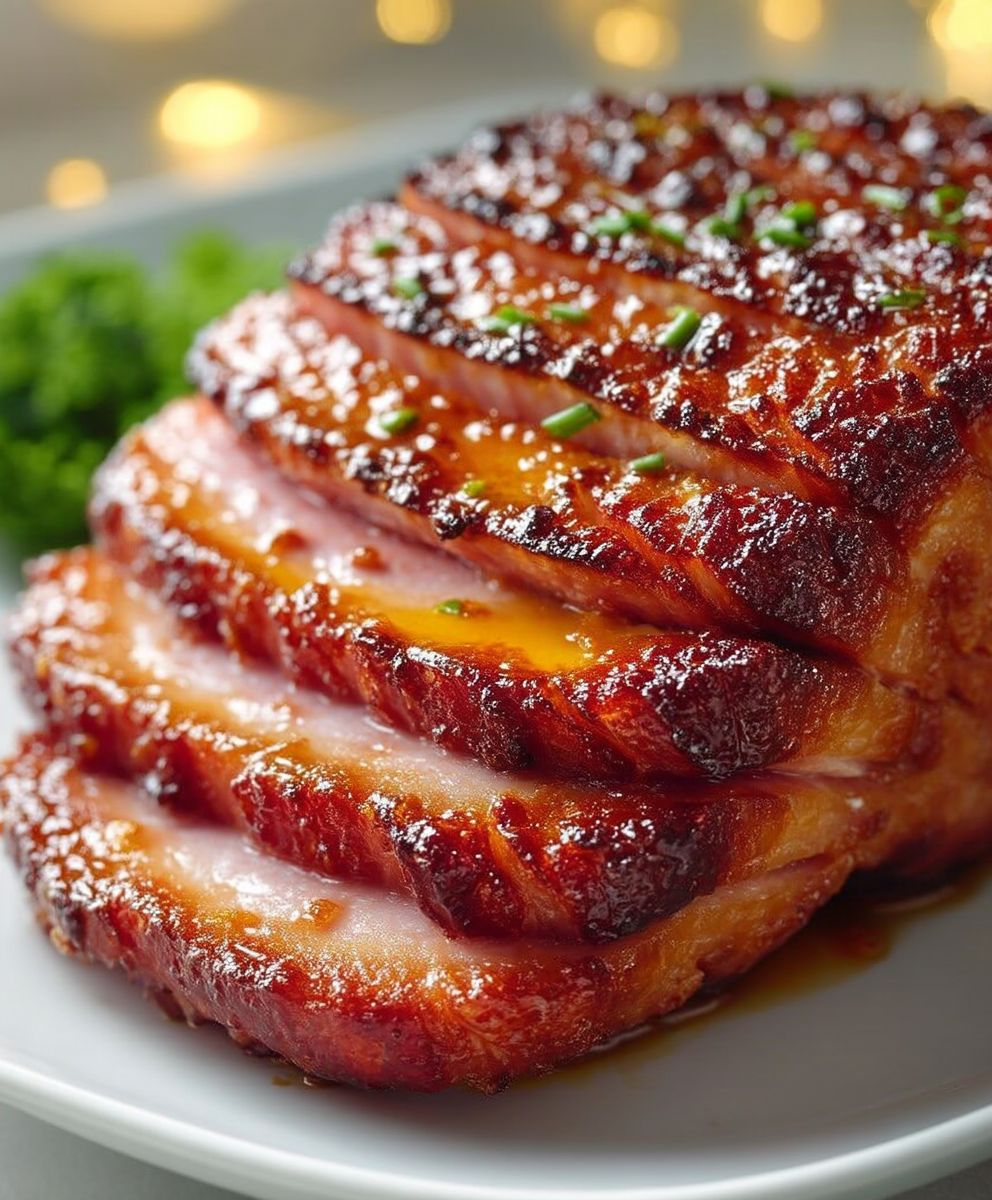
Easter Ham Glaze: the secret weapon to transforming your holiday centerpiece from simply good to absolutely unforgettable! Are you ready to elevate your Easter celebration with a ham that boasts a glistening, flavorful crust and a succulent, juicy interior? I know I am! For generations, the Easter ham has held a place of honor on our tables, symbolizing prosperity and good fortune as we gather with loved ones to celebrate the arrival of spring.
But let’s be honest, a ham without a truly exceptional glaze is like a song without a melody. It’s missing that crucial element that ties everything together. That’s where this recipe comes in. This isn’t just any glaze; it’s a carefully crafted blend of sweet, savory, and tangy notes designed to complement the natural richness of the ham.
People adore a perfectly glazed ham because it offers a delightful contrast of textures and flavors. The slightly sticky, caramelized glaze provides a satisfying crunch, while the tender ham underneath melts in your mouth. Plus, a well-prepared Easter Ham Glaze makes the entire dish visually stunning, adding an extra touch of elegance to your Easter feast. And the best part? This recipe is incredibly easy to follow, ensuring that even novice cooks can achieve professional-level results. So, let’s get started and create an Easter Ham Glaze that will have everyone asking for seconds!

Ingredients:
- 1 (10-12 pound) bone-in fully cooked ham
- 1 cup packed brown sugar
- 1/2 cup Dijon mustard
- 1/4 cup apple cider vinegar
- 1/4 cup honey
- 2 tablespoons orange juice
- 1 tablespoon orange zest
- 1 teaspoon ground cloves
- 1/2 teaspoon ground cinnamon
- 1/4 teaspoon ground nutmeg
- Optional: Whole cloves for studding the ham
Preparing the Ham:
- Preheat your oven to 325°F (160°C). This lower temperature will ensure the ham heats through evenly without drying out.
- Prepare the ham for baking. Remove the ham from its packaging and discard any wrapping materials. Place the ham on a large roasting pan fitted with a roasting rack. The rack is important because it allows the heat to circulate around the ham, promoting even cooking.
- Score the ham (optional, but recommended). Using a sharp knife, score the ham in a diamond pattern. Make shallow cuts, about 1/4 inch deep, across the surface of the ham. This not only looks beautiful but also helps the glaze penetrate the ham more effectively. Be careful not to cut too deep, as you don’t want to separate the ham from the bone.
- Stud with cloves (optional). If you’re using whole cloves, insert them into the points of the diamond pattern created by the scoring. This adds a lovely aroma and a touch of visual appeal. I usually use about 20-30 cloves, depending on the size of the ham.
Making the Glaze:
- Combine the glaze ingredients. In a medium-sized saucepan, whisk together the brown sugar, Dijon mustard, apple cider vinegar, honey, orange juice, orange zest, ground cloves, ground cinnamon, and ground nutmeg. Make sure there are no lumps of brown sugar.
- Simmer the glaze. Place the saucepan over medium heat and bring the mixture to a simmer, stirring constantly. Once simmering, reduce the heat to low and continue to simmer for about 5-7 minutes, or until the glaze has thickened slightly. It should be thick enough to coat the back of a spoon. Be careful not to burn the glaze.
- Taste and adjust. Give the glaze a taste and adjust the seasonings as needed. If you prefer a sweeter glaze, add a little more honey. If you like a bit more tang, add a splash more apple cider vinegar.
Glazing and Baking the Ham:
- Apply the first layer of glaze. Using a pastry brush, generously brush about half of the glaze over the entire surface of the ham, making sure to get into all the crevices created by the scoring.
- Bake the ham. Place the roasting pan with the ham in the preheated oven and bake for approximately 10-12 minutes per pound, or until the internal temperature of the ham reaches 140°F (60°C). Use a meat thermometer to check the temperature. Insert the thermometer into the thickest part of the ham, being careful not to touch the bone.
- Baste with glaze every 20-30 minutes. During the last hour of baking, baste the ham with the remaining glaze every 20-30 minutes. This will create a beautiful, glossy, and flavorful crust. Each time you baste, make sure to coat the entire surface of the ham evenly.
- Increase oven temperature for final glazing (optional). For the last 10-15 minutes of baking, you can increase the oven temperature to 400°F (200°C) to help the glaze caramelize and create a deeper color. Watch the ham carefully to prevent the glaze from burning.
- Remove from oven and let rest. Once the ham reaches an internal temperature of 140°F (60°C) and the glaze is nicely caramelized, remove the roasting pan from the oven.
- Let the ham rest. Tent the ham loosely with aluminum foil and let it rest for at least 15-20 minutes before carving. This allows the juices to redistribute throughout the ham, resulting in a more tender and flavorful final product.
Carving and Serving:
- Carve the ham. Place the ham on a cutting board. To carve, start by making a cut along the bone. Then, slice the ham perpendicular to the bone, creating thin, even slices.
- Serve and enjoy! Serve the carved ham immediately. It’s delicious on its own or with your favorite side dishes, such as mashed potatoes, green beans, and dinner rolls.
Tips for the Perfect Easter Ham:
- Choose the right ham. A bone-in ham will generally have more flavor than a boneless ham. Look for a ham that is labeled “fully cooked,” as this means it’s already safe to eat and you’re just heating it through and adding flavor with the glaze.
- Don’t overcook the ham. Overcooked ham can be dry and tough. Use a meat thermometer to ensure the ham reaches an internal temperature of 140°F (60°C).
- Let the ham rest. Resting the ham before carving is crucial for retaining moisture and flavor.
- Make extra glaze. If you love the glaze, you can make a double batch and serve it on the side for dipping.
- Use leftover ham creatively. Leftover ham can be used in sandwiches, soups, salads, and casseroles.
Variations and Additions:
- Pineapple Glaze: Substitute 1/4 cup of pineapple juice for the orange juice and add 1/4 cup of crushed pineapple to the glaze for a tropical twist.
- Maple Glaze: Replace the honey with maple syrup for a richer, more complex flavor.
- Cherry Glaze: Add 1/4 cup of cherry preserves to the glaze for a sweet and tart flavor.
- Spice it up: Add a pinch of cayenne pepper to the glaze for a little heat.
- Add some herbs: Fresh rosemary or thyme can be added to the glaze for a more savory flavor.
Troubleshooting:
- Glaze is too thick: Add a tablespoon or two of water or orange juice to thin it out.
- Glaze is too thin: Simmer the glaze for a few more minutes to thicken it.
- Ham is browning too quickly: Tent the ham with aluminum foil to prevent it from burning.
- Ham is dry: Make sure you’re not overcooking the ham. Basting it frequently with the glaze will also help keep it moist.
This Easter ham recipe is a guaranteed crowd-pleaser. The combination of sweet and tangy glaze with the savory ham is simply irresistible. Enjoy!
Conclusion:
This Easter, ditch the same old, same old and prepare to wow your family and friends with a truly unforgettable centerpiece. This Easter Ham Glaze recipe isn’t just another glaze; it’s a flavor explosion waiting to happen, a symphony of sweet, tangy, and savory notes that will elevate your ham from ordinary to extraordinary. I’ve poured my heart and soul into perfecting this recipe, and I truly believe it’s the key to unlocking the most delicious Easter ham you’ve ever tasted.
Why is this a must-try? Because it’s incredibly easy to make, using ingredients you likely already have in your pantry. No complicated techniques or fancy equipment required! More importantly, the flavor profile is simply divine. The brown sugar creates a beautiful caramelized crust, while the Dijon mustard adds a delightful tang that cuts through the richness of the ham. The touch of pineapple juice (or apple cider vinegar, if you prefer a less sweet option) brings a bright acidity that balances everything perfectly. It’s a harmonious blend that will have everyone begging for seconds.
But the best part? This glaze is incredibly versatile! Feel free to experiment with different variations to suit your taste. For a spicier kick, add a pinch of red pepper flakes or a dash of hot sauce. If you’re a fan of smoky flavors, a teaspoon of smoked paprika will do the trick. Want to add a touch of warmth? A pinch of ground cloves or cinnamon will create a cozy, comforting aroma.
Serving Suggestions and Variations:
* Serve your glazed ham with classic Easter sides like scalloped potatoes, green bean casserole, and deviled eggs.
* For a lighter meal, slice the ham thinly and serve it on a bed of fresh greens with a vinaigrette dressing.
* Use leftover ham to make delicious sandwiches, omelets, or even a hearty ham and bean soup.
* Consider adding a splash of bourbon or rum to the glaze for an extra layer of flavor (especially for a more adult-oriented gathering).
* If you’re short on time, you can even use this glaze on pre-cooked ham slices for a quick and easy weeknight meal.
I’m so confident that you’ll love this Easter Ham Glaze recipe that I can’t wait for you to try it! It’s the perfect way to add a touch of magic to your Easter celebration and create memories that will last a lifetime.
So, what are you waiting for? Gather your ingredients, preheat your oven, and get ready to create a culinary masterpiece. Don’t be afraid to get creative and put your own spin on the recipe. After all, cooking is all about having fun and experimenting with flavors.
Once you’ve tried this recipe, I’d love to hear about your experience! Share your photos and comments on social media using #EasterHamGlaze and let me know what you think. Did you make any variations? What were your favorite sides to serve with the ham? I’m always eager to learn from my readers and see how they’re making this recipe their own. Happy Easter, and happy cooking! I hope this glaze brings joy and deliciousness to your holiday table.
Easter Ham Glaze: The Ultimate Guide to a Delicious Holiday Meal
Bone-in ham baked with a sweet and tangy brown sugar glaze. Perfect for Easter or any special occasion!
Ingredients
- 1 (10-12 pound) bone-in fully cooked ham
- 1 cup packed brown sugar
- 1/2 cup Dijon mustard
- 1/4 cup apple cider vinegar
- 1/4 cup honey
- 2 tablespoons orange juice
- 1 tablespoon orange zest
- 1 teaspoon ground cloves
- 1/2 teaspoon ground cinnamon
- 1/4 teaspoon ground nutmeg
- Optional: Whole cloves for studding the ham
Instructions
- Preheat: Preheat oven to 325°F (160°C).
- Prep Ham: Remove ham from packaging and place on a roasting rack in a roasting pan.
- Score (Optional): Score the ham in a diamond pattern, about 1/4 inch deep.
- Stud with Cloves (Optional): Insert whole cloves into the points of the diamond pattern.
- Combine Glaze: In a saucepan, whisk together brown sugar, Dijon mustard, apple cider vinegar, honey, orange juice, orange zest, ground cloves, cinnamon, and nutmeg.
- Simmer Glaze: Simmer over medium heat, stirring constantly, until thickened (5-7 minutes).
- Taste and Adjust: Adjust seasonings in the glaze to your liking.
- Apply First Glaze: Brush half of the glaze over the entire surface of the ham.
- Bake: Bake for approximately 10-12 minutes per pound, or until the internal temperature reaches 140°F (60°C).
- Baste: During the last hour of baking, baste with remaining glaze every 20-30 minutes.
- Increase Oven Temp (Optional): For the last 10-15 minutes, increase oven temperature to 400°F (200°C) to caramelize the glaze. Watch carefully to prevent burning.
- Rest: Remove from oven, tent with foil, and let rest for 15-20 minutes.
- Carve: Carve the ham by slicing along the bone and then perpendicular to the bone.
- Serve: Serve immediately.
Notes
- Choose a bone-in, fully cooked ham for best flavor.
- Use a meat thermometer to avoid overcooking.
- Resting the ham is crucial for retaining moisture.
- Make extra glaze to serve on the side.
- Leftover ham can be used in various dishes.
- Variations: Consider pineapple, maple, or cherry glaze variations. Add a pinch of cayenne pepper for a little heat or fresh rosemary or thyme for a more savory flavor.
- Troubleshooting:
- If the glaze is too thick, add water or orange juice.
- If the glaze is too thin, simmer longer.
- If the ham is browning too quickly, tent with foil.
- If the ham is dry, ensure you’re not overcooking and baste frequently.

Leave a Comment