

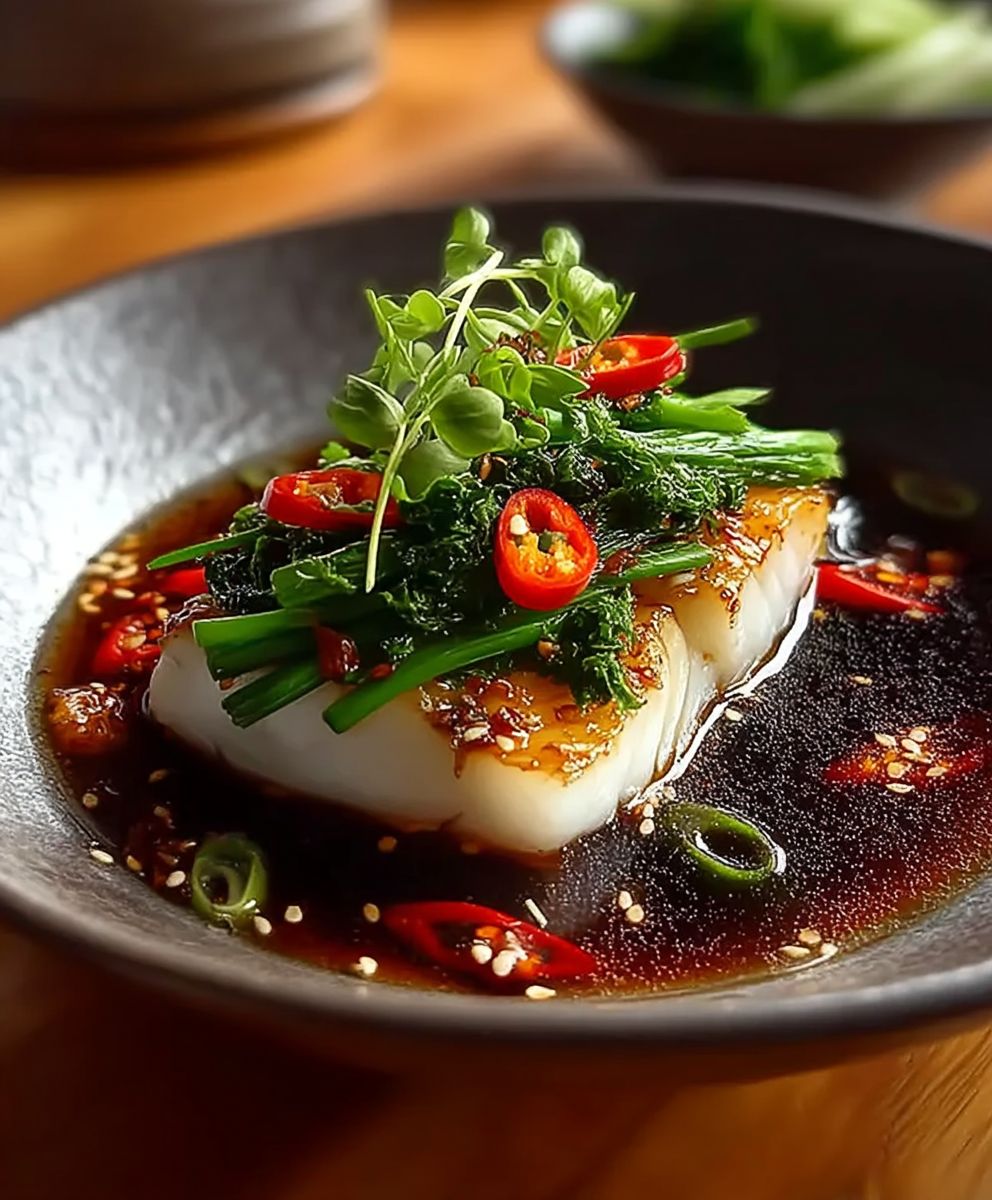
Cantonese Steamed Fish: a dish so delicate and flavorful, it practically melts in your mouth. Have you ever experienced the pure, unadulterated taste of perfectly steamed fish, enhanced by the subtle yet impactful flavors of ginger, scallions, and soy sauce? If not, you’re in for a treat! This classic Cantonese preparation is a testament to the beauty of simplicity and the importance of fresh, high-quality ingredients.
Steaming fish is a time-honored tradition in Cantonese cuisine, dating back centuries. It’s a technique that not only preserves the fish’s natural moisture and tenderness but also allows its delicate flavors to shine through. In Cantonese culture, fish symbolizes abundance and good fortune, making Cantonese Steamed Fish a popular dish for celebrations and family gatherings. It’s a way to honor the ingredients and appreciate the simple pleasures of life.
People adore this dish for several reasons. First, the taste is simply divine the flaky, moist fish is complemented by the savory and slightly sweet sauce. The texture is another highlight; the fish is incredibly tender and almost creamy. Finally, while it may seem elegant, Cantonese Steamed Fish is surprisingly easy and quick to prepare, making it a perfect weeknight meal that feels special. So, let’s dive in and discover the secrets to creating this exquisite dish in your own kitchen!

Ingredients:
- 1 whole fish (about 1-1.5 lbs), such as snapper, sea bass, or cod, scaled and gutted
- 2-3 slices ginger, thinly sliced
- 2-3 scallions, white parts only, thinly sliced
- 2 tablespoons light soy sauce
- 1 tablespoon Shaoxing rice wine (or dry sherry)
- 1 teaspoon sesame oil
- 2 tablespoons vegetable oil
- Fresh cilantro sprigs, for garnish
- Optional: 1 red chili, thinly sliced, for garnish (if you like a little heat)
Preparing the Fish:
- Prepare the fish: Rinse the fish thoroughly under cold running water. Pat it dry inside and out with paper towels. This is crucial for achieving a good sear and preventing the fish from steaming in its own juices before it’s properly cooked.
- Score the fish (optional but recommended): Using a sharp knife, make shallow diagonal cuts (about ½ inch deep) on both sides of the fish. This helps the fish cook more evenly and allows the flavors to penetrate deeper. Space the cuts about 1 inch apart.
- Place ginger and scallions: Place half of the ginger slices and scallion whites inside the cavity of the fish. This will infuse the fish with aromatic flavors from the inside out.
- Arrange on a heatproof plate: Place the fish on a heatproof plate that will fit inside your steamer. Make sure the plate is slightly smaller than the steamer basket to allow steam to circulate freely.
- Top with remaining ginger and scallions: Arrange the remaining ginger slices and scallion whites on top of the fish. This will further enhance the flavor and aroma during steaming.
Steaming the Fish:
- Prepare the steamer: Fill a wok or large pot with about 2-3 inches of water. Bring the water to a rolling boil over high heat. Make sure the water level is below the steamer basket to prevent the fish from sitting in the water.
- Place the plate in the steamer: Carefully place the plate with the fish into the steamer basket. Ensure the steamer basket is stable and secure.
- Cover and steam: Cover the steamer tightly with a lid. Steam the fish for 8-12 minutes, depending on the size and thickness of the fish. A good rule of thumb is 10 minutes per inch of thickness.
- Check for doneness: To check if the fish is done, insert a fork into the thickest part of the fish. The fish is cooked when it flakes easily and is opaque throughout. Be careful not to overcook the fish, as it will become dry and rubbery.
- Remove from steamer: Carefully remove the plate with the fish from the steamer. Be cautious of the hot steam.
- Drain excess liquid (optional): There will likely be some liquid accumulated on the plate from the steaming process. You can carefully drain this liquid, if desired. Some people like to reserve this liquid and use it as part of the sauce, as it contains a lot of flavor. If you choose to use it, strain it first to remove any small bones or impurities.
Preparing the Sauce:
- Combine sauce ingredients: In a small bowl, combine the light soy sauce, Shaoxing rice wine (or dry sherry), and sesame oil. Whisk together until well combined.
- Heat vegetable oil: In a small saucepan or wok, heat the vegetable oil over high heat until it is very hot and almost smoking. This hot oil is crucial for creating a sizzling effect and releasing the aromas of the scallions and ginger.
Assembling and Serving:
- Pour sauce over fish: Pour the soy sauce mixture evenly over the steamed fish.
- Pour hot oil over fish: Carefully pour the hot vegetable oil over the fish, especially over the ginger and scallions. You should hear a sizzling sound as the hot oil hits the aromatics. This step is essential for enhancing the flavor and aroma of the dish.
- Garnish: Garnish the fish with fresh cilantro sprigs and sliced red chili (if using).
- Serve immediately: Serve the Cantonese Steamed Fish immediately with steamed rice. The fish is best enjoyed while it is still hot and the flavors are at their peak.
Tips for Success:
- Choose the right fish: Select a fresh, high-quality fish with clear eyes and firm flesh. Snapper, sea bass, and cod are all excellent choices for steaming.
- Don’t overcook the fish: Overcooked fish will be dry and rubbery. Check for doneness frequently during the steaming process.
- Use high heat: Steaming requires high heat to cook the fish quickly and evenly. Make sure the water is at a rolling boil before placing the fish in the steamer.
- Hot oil is key: The hot oil is essential for releasing the flavors of the ginger and scallions and creating a sizzling effect. Make sure the oil is very hot before pouring it over the fish.
- Serve immediately: Cantonese Steamed Fish is best enjoyed immediately after cooking. The flavors will diminish as the fish cools down.
- Adjust seasoning to taste: The amount of soy sauce and other seasonings can be adjusted to your personal preference. Taste the sauce before pouring it over the fish and adjust accordingly.
- Consider adding other aromatics: In addition to ginger and scallions, you can also add other aromatics such as garlic, lemongrass, or chili peppers to the fish for added flavor.
- Experiment with different sauces: While the classic soy sauce-based sauce is delicious, you can also experiment with other sauces such as black bean sauce or oyster sauce.
- Use a steamer with a tight-fitting lid: A tight-fitting lid is essential for trapping the steam and ensuring that the fish cooks evenly. If your steamer lid is not tight-fitting, you can cover it with a clean kitchen towel to help seal in the steam.
- Ensure adequate water level: Monitor the water level in the steamer throughout the cooking process and add more water as needed to prevent it from running dry.
Variations:
- Black Bean Sauce Steamed Fish: Substitute the light soy sauce with black bean sauce for a richer, more savory flavor.
- Ginger and Scallion Steamed Fish: Increase the amount of ginger and scallions used in the recipe for a more pronounced aromatic flavor.
- Spicy Steamed Fish: Add more chili peppers or chili oil to the sauce for a spicier dish.
- Lemon Steamed Fish: Add a few slices of lemon to the fish during steaming for a bright, citrusy flavor.
- Tofu Steamed Fish: Add cubes of silken tofu to the plate with the fish during steaming for a more substantial and flavorful dish. The tofu will absorb the flavors of the fish and sauce.
Serving Suggestions:
- Serve with steamed rice.
- Serve with stir-fried vegetables such as bok choy or gai lan.
- Serve with a side of pickled vegetables.
- Serve with a bowl of hot and sour soup.
- Garnish with extra cilantro and scallions.
Conclusion:
This Cantonese Steamed Fish recipe isn’t just another fish dish; it’s a culinary journey to the heart of Cantonese cuisine. The delicate flavors, the melt-in-your-mouth texture, and the simplicity of preparation make it a truly unforgettable experience. I wholeheartedly believe that this recipe deserves a spot in your regular cooking rotation. It’s quick enough for a weeknight meal but elegant enough to impress guests at a dinner party.
Why is it a must-try? Because it perfectly captures the essence of Cantonese cooking: fresh ingredients, minimal fuss, and maximum flavor. The steaming method ensures the fish remains incredibly moist and tender, while the ginger and scallions infuse it with a subtle yet aromatic fragrance. The soy sauce mixture adds a touch of umami that elevates the entire dish. Forget complicated sauces and lengthy cooking times; this recipe delivers restaurant-quality results with minimal effort. It’s a healthy, delicious, and satisfying meal that you can feel good about serving to your family and friends.
But the beauty of this recipe lies not only in its simplicity but also in its versatility. Feel free to experiment with different types of white fish. Sea bass, snapper, or even cod would work beautifully. Just be sure to adjust the steaming time accordingly, depending on the thickness of the fillet.
Serving Suggestions and Variations:
* Classic Presentation: Serve the steamed fish immediately over a bed of fluffy white rice. Drizzle the remaining sauce from the steaming plate over the rice for extra flavor. Garnish with extra sliced scallions and a drizzle of sesame oil.
* Vegetable Accompaniment: Steamed bok choy or gai lan (Chinese broccoli) are excellent side dishes that complement the delicate flavors of the fish. You can even steam them alongside the fish during the last few minutes of cooking.
* Spice It Up: If you like a little heat, add a finely chopped red chili pepper to the soy sauce mixture. A few drops of chili oil also work wonders.
* Herbal Infusion: Experiment with different herbs like cilantro or Thai basil to add a unique twist to the flavor profile.
* Ginger Boost: For an even more intense ginger flavor, add a few slices of ginger to the bottom of the steaming plate before placing the fish on top.
* Lemon Zest: A tiny bit of lemon zest added to the soy sauce mixture can brighten the flavors.
I’m confident that you’ll love this Cantonese Steamed Fish recipe as much as I do. It’s a testament to the fact that simple ingredients and techniques can create truly extraordinary dishes. So, gather your ingredients, fire up your steamer, and get ready to experience a taste of authentic Cantonese cuisine.
I can’t wait to hear about your experience! Please, try this recipe, and don’t hesitate to share your photos and feedback in the comments below. Let me know what variations you tried and how they turned out. Happy cooking! I am sure you will enjoy this recipe as much as I do.
Cantonese Steamed Fish: Authentic Recipe & Expert Tips
Classic, flavorful Cantonese Steamed Fish featuring a whole fish steamed to perfection, drizzled with savory soy sauce and hot oil. Quick, healthy, and delicious!
Ingredients
- 1 whole fish (about 1-1.5 lbs), such as snapper, sea bass, or cod, scaled and gutted
- 2-3 slices ginger, thinly sliced
- 2-3 scallions, white parts only, thinly sliced
- 2 tablespoons light soy sauce
- 1 tablespoon Shaoxing rice wine (or dry sherry)
- 1 teaspoon sesame oil
- 2 tablespoons vegetable oil
- Fresh cilantro sprigs, for garnish
- Optional: 1 red chili, thinly sliced, for garnish (if you like a little heat)
Instructions
- Rinse the fish thoroughly under cold running water. Pat it dry inside and out with paper towels.
- Using a sharp knife, make shallow diagonal cuts (about ½ inch deep) on both sides of the fish. Space the cuts about 1 inch apart.
- Place half of the ginger slices and scallion whites inside the cavity of the fish.
- Place the fish on a heatproof plate that will fit inside your steamer.
- Arrange the remaining ginger slices and scallion whites on top of the fish.
- Fill a wok or large pot with about 2-3 inches of water. Bring the water to a rolling boil over high heat.
- Carefully place the plate with the fish into the steamer basket.
- Cover the steamer tightly with a lid. Steam the fish for 8-12 minutes, depending on the size and thickness of the fish (about 10 minutes per inch of thickness).
- To check if the fish is done, insert a fork into the thickest part of the fish. The fish is cooked when it flakes easily and is opaque throughout.
- Carefully remove the plate with the fish from the steamer.
- Carefully drain the liquid from the plate, if desired.
- In a small bowl, combine the light soy sauce, Shaoxing rice wine (or dry sherry), and sesame oil. Whisk together until well combined.
- In a small saucepan or wok, heat the vegetable oil over high heat until it is very hot and almost smoking.
- Pour the soy sauce mixture evenly over the steamed fish.
- Carefully pour the hot vegetable oil over the fish, especially over the ginger and scallions.
- Garnish the fish with fresh cilantro sprigs and sliced red chili (if using).
- Serve the Cantonese Steamed Fish immediately with steamed rice.
Notes
- Choose a fresh, high-quality fish with clear eyes and firm flesh. Snapper, sea bass, and cod are all excellent choices for steaming.
- Don’t overcook the fish. Overcooked fish will be dry and rubbery. Check for doneness frequently during the steaming process.
- Steaming requires high heat to cook the fish quickly and evenly. Make sure the water is at a rolling boil before placing the fish in the steamer.
- The hot oil is essential for releasing the flavors of the ginger and scallions and creating a sizzling effect. Make sure the oil is very hot before pouring it over the fish.
- Cantonese Steamed Fish is best enjoyed immediately after cooking. The flavors will diminish as the fish cools down.
- The amount of soy sauce and other seasonings can be adjusted to your personal preference. Taste the sauce before pouring it over the fish and adjust accordingly.
- In addition to ginger and scallions, you can also add other aromatics such as garlic, lemongrass, or chili peppers to the fish for added flavor.
- While the classic soy sauce-based sauce is delicious, you can also experiment with other sauces such as black bean sauce or oyster sauce.
- A tight-fitting lid is essential for trapping the steam and ensuring that the fish cooks evenly. If your steamer lid is not tight-fitting, you can cover it with a clean kitchen towel to help seal in the steam.
- Monitor the water level in the steamer throughout the cooking process and add more water as needed to prevent it from running dry.

Leave a Comment