

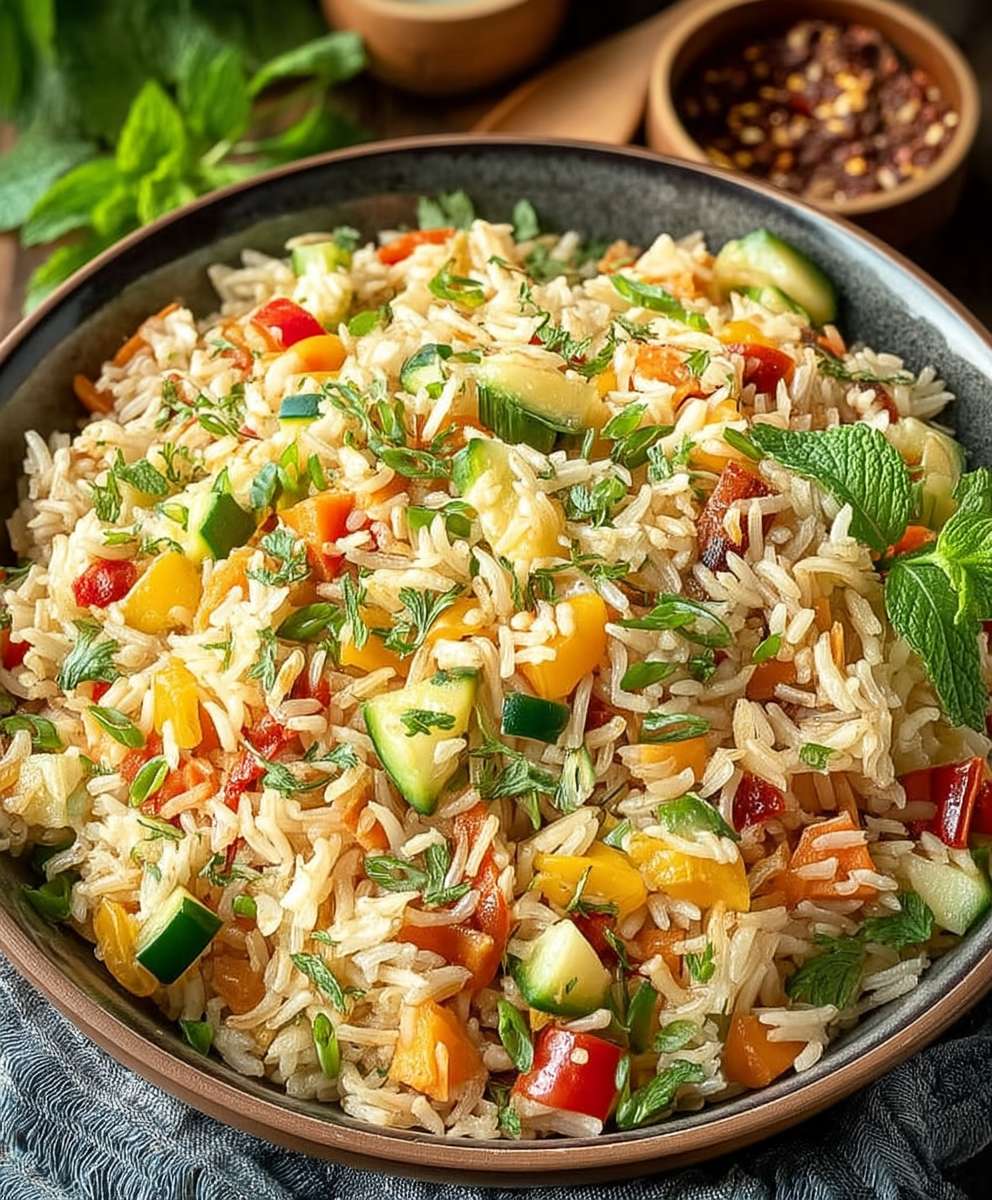
Vegetable Rice Pilaf: Prepare to embark on a culinary journey that transforms humble ingredients into a symphony of flavors and textures! Have you ever craved a dish thats both comforting and vibrant, satisfying and wholesome? This recipe is your answer. Imagine fluffy rice, perfectly cooked and infused with the sweetness of carrots, the subtle crunch of peas, and the earthy notes of mushrooms all harmonizing in a single, delightful bite.
Rice pilaf, in its various forms, has graced tables across cultures for centuries. From the Middle East to the Mediterranean and beyond, this versatile dish has been adapted and cherished for its simplicity and adaptability. Its a testament to the power of simple ingredients, elevated by technique and tradition.
What makes Vegetable Rice Pilaf so universally loved? It’s more than just a side dish; it’s a complete experience. The combination of tender vegetables and perfectly cooked rice creates a delightful textural contrast. The subtle flavors are incredibly versatile, making it the perfect accompaniment to grilled meats, roasted vegetables, or even enjoyed on its own as a light and satisfying meal. Plus, its incredibly easy to customize! Feel free to add your favorite vegetables or herbs to create your own signature pilaf. Lets get cooking!

Ingredients:
- 2 tablespoons olive oil
- 1 medium yellow onion, finely chopped
- 2 cloves garlic, minced
- 1 cup long-grain rice, rinsed
- 2 cups vegetable broth
- 1/2 cup chopped carrots
- 1/2 cup chopped celery
- 1/2 cup frozen peas
- 1/4 cup chopped fresh parsley
- 1 teaspoon dried thyme
- 1/2 teaspoon salt, or to taste
- 1/4 teaspoon black pepper, or to taste
- 1 bay leaf
- Optional: 1/4 cup toasted slivered almonds for garnish
Sautéing the Aromatics
- First, grab a large saucepan or Dutch oven. Place it over medium heat. Add the olive oil and let it heat up for a minute or two. You want it shimmering, but not smoking.
- Add the chopped onion to the pan. Sauté it for about 5-7 minutes, stirring occasionally, until it becomes translucent and softened. This step is crucial because it builds the flavor base for the entire pilaf. Don’t rush it!
- Next, add the minced garlic to the pan. Sauté for another minute, stirring constantly, until fragrant. Be careful not to burn the garlic, as it can become bitter. The aroma should be intoxicating!
Adding the Rice and Vegetables
- Now, add the rinsed long-grain rice to the pan. Stir it well to coat each grain with the olive oil and the onion-garlic mixture. This helps to toast the rice slightly, which enhances its nutty flavor and prevents it from becoming too sticky during cooking.
- Add the chopped carrots and celery to the pan. Stir everything together to combine. These vegetables will add a subtle sweetness and texture to the pilaf.
- Continue to sauté the rice and vegetables for about 2-3 minutes, stirring frequently. This step helps to develop the flavors further.
Simmering the Pilaf
- Pour in the vegetable broth. Make sure all the rice and vegetables are submerged.
- Add the dried thyme, salt, pepper, and bay leaf to the pan. Stir well to distribute the seasonings evenly. The bay leaf adds a subtle, aromatic depth to the pilaf.
- Bring the mixture to a boil over medium-high heat. Once it’s boiling, reduce the heat to low, cover the pan tightly with a lid, and simmer for 18-20 minutes. It’s important to keep the lid on tightly to trap the steam and cook the rice evenly.
- After 18-20 minutes, remove the pan from the heat and let it sit, covered, for 5-10 minutes. This allows the rice to absorb any remaining liquid and become perfectly fluffy. Do not lift the lid during this resting period!
Finishing Touches
- Remove the lid from the pan. Fluff the rice gently with a fork. Be careful not to mash the rice.
- Stir in the frozen peas and chopped fresh parsley. The peas will thaw quickly from the residual heat.
- Taste the pilaf and adjust the seasoning if necessary. You may need to add a little more salt or pepper to your liking.
- Remove the bay leaf before serving.
Serving Suggestions
- Serve the vegetable rice pilaf hot as a side dish or as a light main course.
- Garnish with toasted slivered almonds for added crunch and flavor, if desired.
- This pilaf pairs well with grilled chicken, fish, or tofu.
- It’s also a great addition to a vegetarian or vegan meal.
- Leftovers can be stored in an airtight container in the refrigerator for up to 3 days. Reheat gently before serving.
Tips and Variations
- For a richer flavor, use chicken broth instead of vegetable broth.
- Add other vegetables, such as mushrooms, bell peppers, or zucchini.
- Use brown rice instead of long-grain rice for a nuttier flavor and more fiber. Note that brown rice will require a longer cooking time (about 45-50 minutes).
- Add a pinch of saffron for a beautiful color and delicate flavor.
- For a spicier pilaf, add a pinch of red pepper flakes.
- If you don’t have fresh parsley, you can use dried parsley, but use half the amount.
- Make sure to rinse the rice thoroughly before cooking to remove excess starch. This will help prevent the pilaf from becoming sticky.
- If the pilaf seems dry, add a little more broth during the simmering process.
- If the pilaf seems too wet, remove the lid during the last few minutes of cooking to allow the excess liquid to evaporate.
- Don’t overcook the rice, as it will become mushy.
- Use a heavy-bottomed saucepan or Dutch oven to prevent the rice from sticking to the bottom.
- Toasting the rice before adding the broth is a key step in creating a flavorful pilaf.
- Letting the pilaf rest after cooking is essential for achieving a fluffy texture.
- Experiment with different herbs and spices to create your own unique flavor combinations.
- This recipe is easily adaptable to your own preferences and dietary needs.
Make Ahead Instructions
- You can prepare the vegetable rice pilaf up to 24 hours in advance.
- Follow the recipe instructions up to the point of adding the frozen peas and parsley.
- Let the pilaf cool completely, then store it in an airtight container in the refrigerator.
- When ready to serve, reheat the pilaf gently in a saucepan over low heat, adding a little broth if necessary to prevent it from drying out.
- Stir in the frozen peas and parsley just before serving.
Nutritional Information (Approximate)
(Per serving, based on 6 servings)
- Calories: 250
- Protein: 5g
- Fat: 8g
- Carbohydrates: 40g
- Fiber: 3g
- Sugar: 3g
Note: Nutritional information is an estimate and may vary depending on the specific ingredients used.
Why This Recipe Works
This Vegetable Rice Pilaf recipe is a winner because it’s simple, flavorful, and versatile. The combination of sautéed aromatics, toasted rice, and fresh vegetables creates a dish that’s both satisfying and nutritious. The key to success is to follow the instructions carefully and to pay attention to the details, such as rinsing the rice, toasting it before adding the broth, and letting the pilaf rest after cooking. With a few simple steps, you can create a delicious and impressive side dish that everyone will love.
Troubleshooting
- Rice is too sticky: Make sure you rinsed the rice thoroughly before cooking. Also, avoid stirring the rice too much during cooking, as this can release more starch.
- Rice is undercooked: Add a little more broth and continue to simmer until the rice is tender.
- Rice is overcooked: Unfortunately, there’s not much you can do to fix overcooked rice. Try to avoid overcooking it in the first place by following the cooking time instructions carefully.
- Pilaf is bland: Add more salt, pepper, or other seasonings to taste. You can also add a squeeze of lemon juice for brightness.
- Vegetables are mushy: Avoid overcooking the vegetables. Add them at the appropriate time in the recipe and cook them until they are tender-crisp.
Equipment Needed
- Large saucepan or Dutch oven with a lid
- Measuring cups and spoons
- Cutting board
- Knife
- Wooden spoon or spatula
- Fork
Ingredient Substitutions
- Olive oil: Can be substituted with other vegetable oils, such as canola oil or sunflower oil.
- Long-grain rice: Can be substituted with other types of rice, such as basmati rice or jasmine rice. Note that cooking times may vary.
- Vegetable broth: Can be substituted with chicken broth or water.
- Carrots and celery: Can be substituted with other vegetables, such as bell peppers, mushrooms, or zucchini.
- Frozen peas: Can be substituted with other frozen vegetables, such as corn or green beans.
- Fresh parsley: Can
Conclusion:
This Vegetable Rice Pilaf isn’t just another side dish; it’s a vibrant, flavorful experience that will elevate any meal. From the aromatic sautéed vegetables to the perfectly cooked, fluffy rice, every element works in harmony to create a dish that’s both satisfying and surprisingly easy to make. I truly believe this recipe is a must-try because it’s incredibly versatile, adaptable to your preferences, and guaranteed to impress your family and friends. It’s a simple way to add a touch of elegance and a whole lot of flavor to your dinner table.
But the best part? You can really make it your own! Feel free to experiment with different vegetables. Asparagus, zucchini, or even some finely diced sweet potatoes would be fantastic additions. For a richer flavor, try using vegetable broth instead of water to cook the rice. And if you’re feeling adventurous, a sprinkle of toasted nuts like almonds or pecans just before serving adds a delightful crunch.
Serving Suggestions and Variations
Think of this pilaf as a blank canvas for your culinary creativity. It’s wonderful served alongside grilled chicken, fish, or tofu. It also makes a fantastic vegetarian main course when paired with a hearty salad or some roasted vegetables. For a Mediterranean twist, add some crumbled feta cheese and a squeeze of lemon juice. Or, for a spicier kick, incorporate a pinch of red pepper flakes or a dash of your favorite hot sauce.
I’ve personally enjoyed this Vegetable Rice Pilaf in so many different ways. One of my favorite variations is adding a handful of dried cranberries and some chopped fresh parsley for a festive holiday side dish. Another time, I stirred in some leftover roasted chicken and a dollop of Greek yogurt for a quick and easy lunch. The possibilities are truly endless!
Why You Should Try It
I know there are countless rice pilaf recipes out there, but I’m confident that this one will become a staple in your kitchen. It’s the perfect balance of simplicity and flavor, and it’s a dish that you can feel good about serving to your loved ones. It’s packed with nutrients, it’s naturally gluten-free, and it’s a delicious way to incorporate more vegetables into your diet.
So, what are you waiting for? Gather your ingredients, put on some music, and get ready to create a culinary masterpiece. I promise you won’t be disappointed. This recipe is designed to be foolproof, even for beginner cooks. And the end result is a dish that’s worthy of a special occasion, yet simple enough for a weeknight meal.
Share Your Experience!
I’m so excited for you to try this recipe! Once you’ve made it, I would absolutely love to hear about your experience. Did you make any substitutions or variations? What did you serve it with? What did your family and friends think? Please feel free to share your thoughts and photos in the comments below. Your feedback is invaluable, and it helps me to continue creating recipes that you’ll love. Happy cooking, and I hope you enjoy this delicious and versatile Vegetable Rice Pilaf as much as I do! I can’t wait to see what culinary creations you come up with!
Vegetable Rice Pilaf: A Delicious and Easy Recipe
Flavorful Vegetable Rice Pilaf, perfect as a side or light meal. Features sautéed aromatics, toasted rice, and fresh vegetables for a satisfying, nutritious dish.
Ingredients
- 2 tablespoons olive oil
- 1 medium yellow onion, finely chopped
- 2 cloves garlic, minced
- 1 cup long-grain rice, rinsed
- 2 cups vegetable broth
- 1/2 cup chopped carrots
- 1/2 cup chopped celery
- 1/2 cup frozen peas
- 1/4 cup chopped fresh parsley
- 1 teaspoon dried thyme
- 1/2 teaspoon salt, or to taste
- 1/4 teaspoon black pepper, or to taste
- 1 bay leaf
- Optional: 1/4 cup toasted slivered almonds for garnish
Instructions
- Sauté the Aromatics: In a large saucepan or Dutch oven over medium heat, heat the olive oil until shimmering. Add the chopped onion and sauté for 5-7 minutes, until translucent and softened. Add the minced garlic and sauté for another minute, until fragrant, being careful not to burn it.
- Add Rice and Vegetables: Add the rinsed long-grain rice to the pan and stir well to coat. Add the chopped carrots and celery and stir to combine. Sauté for 2-3 minutes, stirring frequently.
- Simmer the Pilaf: Pour in the vegetable broth, ensuring the rice and vegetables are submerged. Add the dried thyme, salt, pepper, and bay leaf. Stir well. Bring to a boil over medium-high heat, then reduce heat to low, cover tightly, and simmer for 18-20 minutes.
- Rest: Remove from heat and let sit, covered, for 5-10 minutes. Do not lift the lid.
- Finishing Touches: Remove the lid and fluff the rice gently with a fork. Stir in the frozen peas and chopped fresh parsley. Taste and adjust seasoning if needed. Remove the bay leaf before serving.
- Serving: Serve hot as a side dish or light main course. Garnish with toasted slivered almonds, if desired.
Notes
- For a richer flavor, use chicken broth instead of vegetable broth.
- Add other vegetables, such as mushrooms, bell peppers, or zucchini.
- Use brown rice instead of long-grain rice for a nuttier flavor and more fiber. Note that brown rice will require a longer cooking time (about 45-50 minutes).
- Add a pinch of saffron for a beautiful color and delicate flavor.
- For a spicier pilaf, add a pinch of red pepper flakes.
- If you don’t have fresh parsley, you can use dried parsley, but use half the amount.
- Make sure to rinse the rice thoroughly before cooking to remove excess starch. This will help prevent the pilaf from becoming sticky.
- If the pilaf seems dry, add a little more broth during the simmering process.
- If the pilaf seems too wet, remove the lid during the last few minutes of cooking to allow the excess liquid to evaporate.
- Don’t overcook the rice, as it will become mushy.
- Use a heavy-bottomed saucepan or Dutch oven to prevent the rice from sticking to the bottom.
- Toasting the rice before adding the broth is a key step in creating a flavorful pilaf.
- Letting the pilaf rest after cooking is essential for achieving a fluffy texture.
- Experiment with different herbs and spices to create your own unique flavor combinations.
- This recipe is easily adaptable to your own preferences and dietary needs.


Leave a Comment