
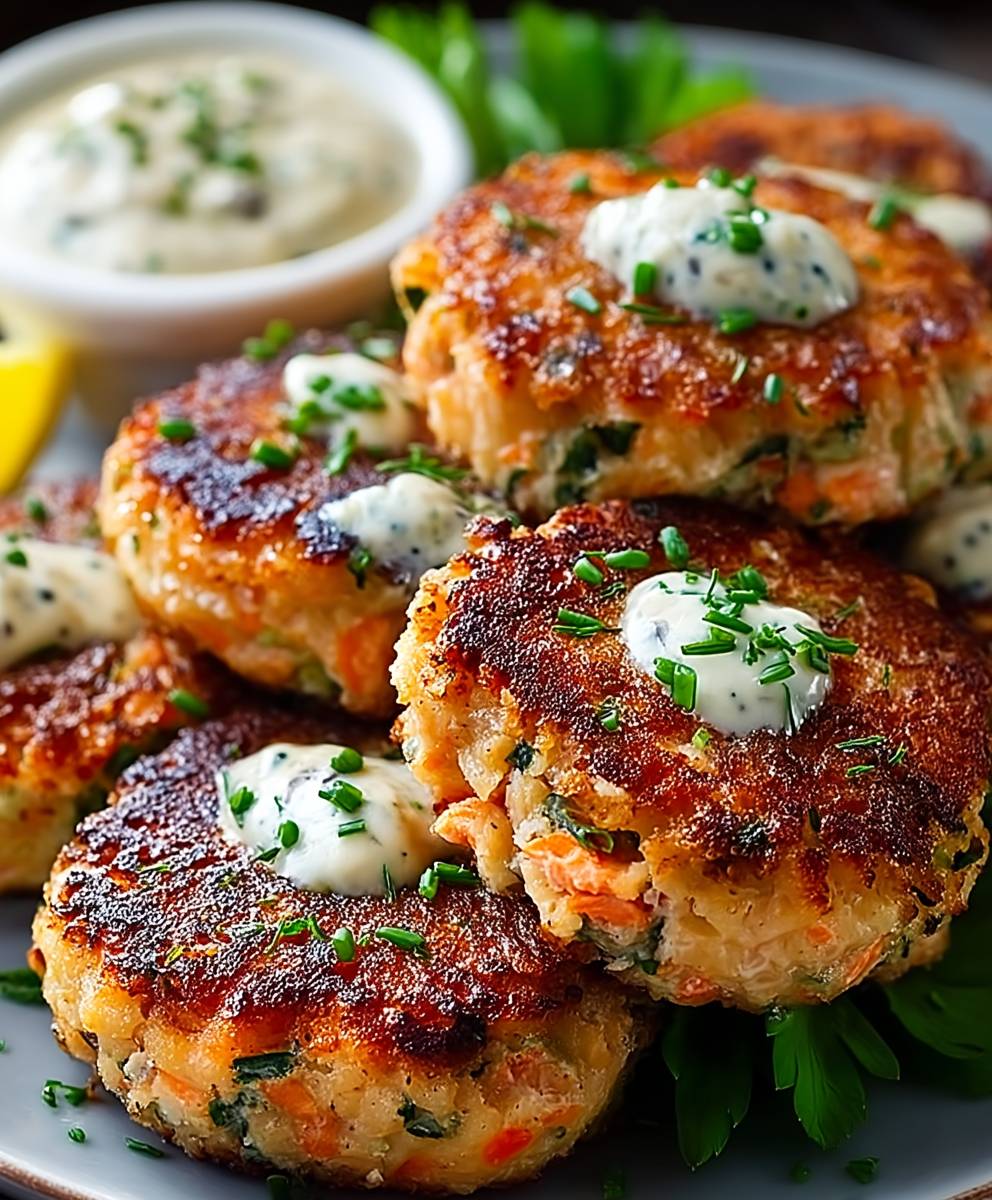
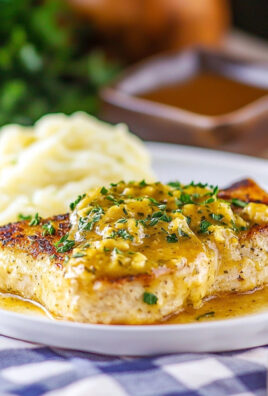
Salmon Cakes: Crispy on the outside, tender on the inside, and bursting with flavor, these aren’t your average fish cakes! Forget bland and boring we’re diving into a world of deliciousness with a recipe that’s both incredibly easy and surprisingly elegant. Have you ever found yourself craving something satisfying yet light, something that feels both comforting and a little bit fancy? Well, look no further!
While the exact origins of salmon cakes are debated, similar preparations have been enjoyed for centuries in coastal communities around the globe. Think of them as a resourceful way to utilize leftover cooked salmon, transforming it into a brand new culinary experience. They represent a tradition of making the most of available resources, a culinary ingenuity passed down through generations.
But why are they so beloved? It’s a combination of factors, really. The delightful contrast between the crispy, golden-brown exterior and the flaky, moist salmon within is simply irresistible. The addition of herbs, spices, and a touch of lemon brightens the flavor profile, creating a symphony of tastes that dance on your palate. Plus, they’re incredibly versatile! Serve them as an appetizer, a light lunch, or even a sophisticated dinner. And the best part? They come together in under 30 minutes, making them perfect for busy weeknights. So, let’s get cooking and discover the magic of homemade salmon cakes!

Ingredients:
- 1 pound skinless salmon fillet, cooked and flaked (canned salmon, drained, works too!)
- 1/2 cup mayonnaise (I prefer avocado oil mayo for a healthier option)
- 1/4 cup finely chopped red onion
- 1/4 cup finely chopped fresh parsley
- 2 tablespoons Dijon mustard
- 1 tablespoon lemon juice
- 1 teaspoon Old Bay seasoning
- 1/2 teaspoon garlic powder
- 1/4 teaspoon black pepper
- 1 large egg, lightly beaten
- 1/2 cup panko breadcrumbs (plus more for coating)
- 2 tablespoons olive oil (or your preferred cooking oil)
- Lemon wedges, for serving (optional, but highly recommended!)
- Tartar sauce, for serving (optional, but a classic pairing!)
Preparing the Salmon Mixture:
This is where the magic begins! We’re going to combine all the ingredients to create the base for our delicious salmon cakes. Don’t be afraid to get your hands a little dirty it’s all part of the fun!
- Flake the Salmon: If you’re using cooked salmon fillet, make sure it’s cooled slightly. Gently flake it apart with a fork, removing any bones you might find. If you’re using canned salmon, drain it really well and then flake it. We want nice, even pieces of salmon throughout the cakes.
- Combine Wet Ingredients: In a large bowl, whisk together the mayonnaise, red onion, parsley, Dijon mustard, lemon juice, Old Bay seasoning, garlic powder, and black pepper. Make sure everything is well combined. This mixture will bind all the ingredients together and give our salmon cakes a ton of flavor.
- Add the Salmon and Egg: Gently fold the flaked salmon into the mayonnaise mixture. Be careful not to overmix, as this can make the salmon cakes tough. Next, add the lightly beaten egg. The egg acts as a binder, helping the salmon cakes hold their shape during cooking.
- Incorporate the Panko Breadcrumbs: Gradually add the panko breadcrumbs to the salmon mixture, folding them in until just combined. The panko breadcrumbs will absorb some of the moisture and help create a nice, crispy crust when we cook the salmon cakes. Don’t add all the breadcrumbs at once; you might not need all of them. You’re looking for a consistency that holds its shape but isn’t too dry.
- Chill the Mixture: Cover the bowl with plastic wrap and refrigerate the salmon mixture for at least 30 minutes. This is a crucial step! Chilling the mixture allows the flavors to meld together and helps the salmon cakes hold their shape better when you form them. You can even chill it for a few hours or overnight if you want to prep ahead.
Forming the Salmon Cakes:
Now that our salmon mixture is chilled, it’s time to form the cakes. This is where you can get creative with the size and shape, but I recommend aiming for consistent sizes so they cook evenly.
- Prepare a Breadcrumb Station: Place the remaining panko breadcrumbs in a shallow dish. This will be our breadcrumb station for coating the salmon cakes.
- Shape the Salmon Cakes: Take about 1/4 cup of the chilled salmon mixture and gently form it into a patty. You can use your hands or a cookie scoop to ensure consistent sizes. I like to make them about 3 inches in diameter and about 1 inch thick.
- Coat with Breadcrumbs: Gently press each salmon cake into the panko breadcrumbs, making sure to coat both sides and the edges. The breadcrumbs will create a crispy, golden-brown crust when we cook the salmon cakes.
- Place on a Plate: Place the breaded salmon cakes on a clean plate or baking sheet. If you’re not cooking them immediately, you can cover them with plastic wrap and refrigerate them for up to a few hours.
Cooking the Salmon Cakes:
Time to cook these beauties! I prefer pan-frying them for a crispy exterior and a moist interior, but you can also bake them if you prefer a healthier option.
Pan-Frying:
- Heat the Oil: Heat the olive oil (or your preferred cooking oil) in a large skillet over medium heat. Make sure the oil is hot before adding the salmon cakes; this will help them get nice and crispy. You should see the oil shimmering.
- Cook the Salmon Cakes: Carefully place the salmon cakes in the hot skillet, being careful not to overcrowd the pan. Cook them for about 4-5 minutes per side, or until they are golden brown and cooked through. The internal temperature should reach 145°F (63°C).
- Don’t Overcrowd: If your skillet isn’t large enough to cook all the salmon cakes at once, cook them in batches. Overcrowding the pan will lower the temperature of the oil and result in soggy salmon cakes.
- Check for Doneness: To check if the salmon cakes are cooked through, you can insert a fork into the center. If it comes out hot, they’re ready. You can also use a meat thermometer to ensure they reach 145°F (63°C).
- Remove and Drain: Remove the cooked salmon cakes from the skillet and place them on a paper towel-lined plate to drain any excess oil.
Baking (Alternative Method):
- Preheat the Oven: Preheat your oven to 375°F (190°C).
- Prepare a Baking Sheet: Line a baking sheet with parchment paper. This will prevent the salmon cakes from sticking to the pan.
- Place Salmon Cakes on Baking Sheet: Place the breaded salmon cakes on the prepared baking sheet, leaving some space between them.
- Drizzle with Oil: Lightly drizzle the salmon cakes with olive oil (or your preferred cooking oil). This will help them brown nicely in the oven.
- Bake: Bake for 15-20 minutes, or until they are golden brown and cooked through. The internal temperature should reach 145°F (63°C).
- Check for Doneness: Use a meat thermometer to ensure they reach 145°F (63°C).
Serving:
The best part! Now it’s time to enjoy your hard work. Salmon cakes are incredibly versatile and can be served in so many ways.
- Serve Immediately: Serve the salmon cakes immediately while they are still hot and crispy.
- Garnish: Garnish with fresh parsley and lemon wedges. A squeeze of lemon juice really brightens up the flavor.
- Sauces: Serve with tartar sauce, aioli, or your favorite dipping sauce. A dollop of plain Greek yogurt or sour cream also works well.
- Serving Suggestions:
- As an Appetizer: Serve them as a delicious appetizer with a dipping sauce.
- As a Main Course: Serve them as a main course with a side salad, roasted vegetables, or rice.
- In a Sandwich: Serve them on a bun with lettuce, tomato, and your favorite condiments for a tasty salmon burger.
- On a Salad: Crumble them over a salad for a protein-packed lunch or dinner.
Conclusion:
And there you have it! These aren’t just any salmon cakes; they’re a flavor explosion waiting to happen, a quick and easy weeknight dinner solution, and a guaranteed crowd-pleaser all rolled into one delicious package. I truly believe this recipe is a must-try because it elevates the humble canned salmon into something truly special. Forget dry, bland fish cakes these are moist, flavorful, and packed with nutrients. The combination of fresh herbs, zesty lemon, and that touch of Dijon mustard creates a symphony of flavors that will have you coming back for more.
But the best part? This recipe is incredibly versatile! Feel free to experiment with different herbs and spices to customize it to your own taste. A little dill and capers would be fantastic for a more classic flavor profile. Or, if you’re feeling adventurous, try adding a pinch of red pepper flakes for a touch of heat.
Serving Suggestions:
These salmon cakes are fantastic on their own with a simple side salad. A bed of mixed greens with a light vinaigrette is the perfect complement. Or, for a more substantial meal, serve them on toasted brioche buns with a dollop of tartar sauce and some crisp lettuce. They’re also delicious served alongside roasted vegetables like asparagus or broccoli.
For a truly decadent experience, top them with a poached egg and a drizzle of hollandaise sauce. Trust me, it’s worth the extra effort! And if you’re looking for a lighter option, try serving them with a squeeze of lemon and a side of Greek yogurt.
Variations to Explore:
* Spice it up: Add a pinch of cayenne pepper or a dash of hot sauce to the salmon mixture for a spicy kick.
* Go Mediterranean: Incorporate sun-dried tomatoes, olives, and feta cheese for a Mediterranean-inspired twist.
* Add some veggies: Finely diced bell peppers, zucchini, or carrots can add extra nutrients and texture.
* Make them gluten-free: Use gluten-free breadcrumbs or almond flour instead of regular breadcrumbs.
* Air Fryer Option: For a healthier and quicker cooking method, try air frying the salmon cakes. Preheat your air fryer to 400°F (200°C) and cook for about 10-12 minutes, flipping halfway through, until golden brown and crispy.
I’ve poured my heart and soul into perfecting this recipe, and I’m confident that you’ll love it as much as I do. It’s a fantastic way to incorporate more healthy fats and protein into your diet, and it’s a delicious alternative to traditional meat-based dishes.
So, what are you waiting for? Gather your ingredients, put on your apron, and get ready to create some culinary magic! I’m so excited for you to try this recipe and experience the deliciousness for yourself.
Once you’ve made these amazing salmon cakes, I’d absolutely love to hear about your experience! Did you make any variations? What did you serve them with? Share your photos and stories in the comments below. Your feedback is invaluable, and it helps me continue to create recipes that you’ll love. Happy cooking! I can’t wait to see what you create!
Salmon Cakes: The Ultimate Guide to Delicious Recipes
Crispy and flavorful salmon cakes made with flaked salmon, herbs, and panko breadcrumbs. Perfect as an appetizer, main course, or in a sandwich!
Ingredients
- 1 pound skinless salmon fillet, cooked and flaked (canned salmon, drained, works too!)
- 1/2 cup mayonnaise (I prefer avocado oil mayo for a healthier option)
- 1/4 cup finely chopped red onion
- 1/4 cup finely chopped fresh parsley
- 2 tablespoons Dijon mustard
- 1 tablespoon lemon juice
- 1 teaspoon Old Bay seasoning
- 1/2 teaspoon garlic powder
- 1/4 teaspoon black pepper
- 1 large egg, lightly beaten
- 1/2 cup panko breadcrumbs (plus more for coating)
- 2 tablespoons olive oil (or your preferred cooking oil)
- Lemon wedges, for serving (optional, but highly recommended!)
- Tartar sauce, for serving (optional, but a classic pairing!)
Instructions
- Flake the Salmon: If using cooked salmon fillet, cool slightly and gently flake with a fork, removing any bones. If using canned salmon, drain well and flake.
- Combine Wet Ingredients: In a large bowl, whisk together the mayonnaise, red onion, parsley, Dijon mustard, lemon juice, Old Bay seasoning, garlic powder, and black pepper.
- Add the Salmon and Egg: Gently fold the flaked salmon into the mayonnaise mixture. Add the lightly beaten egg.
- Incorporate the Panko Breadcrumbs: Gradually add 1/2 cup panko breadcrumbs to the salmon mixture, folding in until just combined. You’re looking for a consistency that holds its shape but isn’t too dry.
- Chill the Mixture: Cover and refrigerate for at least 30 minutes (or up to overnight).
- Prepare a Breadcrumb Station: Place the remaining panko breadcrumbs in a shallow dish.
- Shape the Salmon Cakes: Take about 1/4 cup of the chilled salmon mixture and gently form it into a patty (about 3 inches in diameter and 1 inch thick).
- Coat with Breadcrumbs: Gently press each salmon cake into the panko breadcrumbs, coating both sides and the edges.
- Place on a Plate: Place the breaded salmon cakes on a clean plate or baking sheet. If not cooking immediately, cover and refrigerate for up to a few hours.
- Heat the Oil: Heat the olive oil in a large skillet over medium heat.
- Cook the Salmon Cakes: Carefully place the salmon cakes in the hot skillet, being careful not to overcrowd the pan. Cook for about 4-5 minutes per side, or until golden brown and cooked through (internal temperature of 145°F/63°C).
- Remove and Drain: Remove the cooked salmon cakes from the skillet and place them on a paper towel-lined plate to drain any excess oil.
- Preheat the Oven: Preheat your oven to 375°F (190°C).
- Prepare a Baking Sheet: Line a baking sheet with parchment paper.
- Place Salmon Cakes on Baking Sheet: Place the breaded salmon cakes on the prepared baking sheet, leaving some space between them.
- Drizzle with Oil: Lightly drizzle the salmon cakes with olive oil (or your preferred cooking oil).
- Bake: Bake for 15-20 minutes, or until they are golden brown and cooked through (internal temperature of 145°F/63°C).
- Serve immediately while hot and crispy.
- Garnish with fresh parsley and lemon wedges.
- Serve with tartar sauce, aioli, or your favorite dipping sauce.
Notes
- Chilling the salmon mixture is crucial for the flavors to meld and the cakes to hold their shape.
- Don’t overcrowd the pan when pan-frying, or the salmon cakes will be soggy.
- Use a meat thermometer to ensure the salmon cakes are cooked through (145°F/63°C).
- Avocado oil mayo is a healthier alternative to regular mayonnaise.
- Serve with lemon wedges and tartar sauce for a classic pairing.
Leave a Comment