

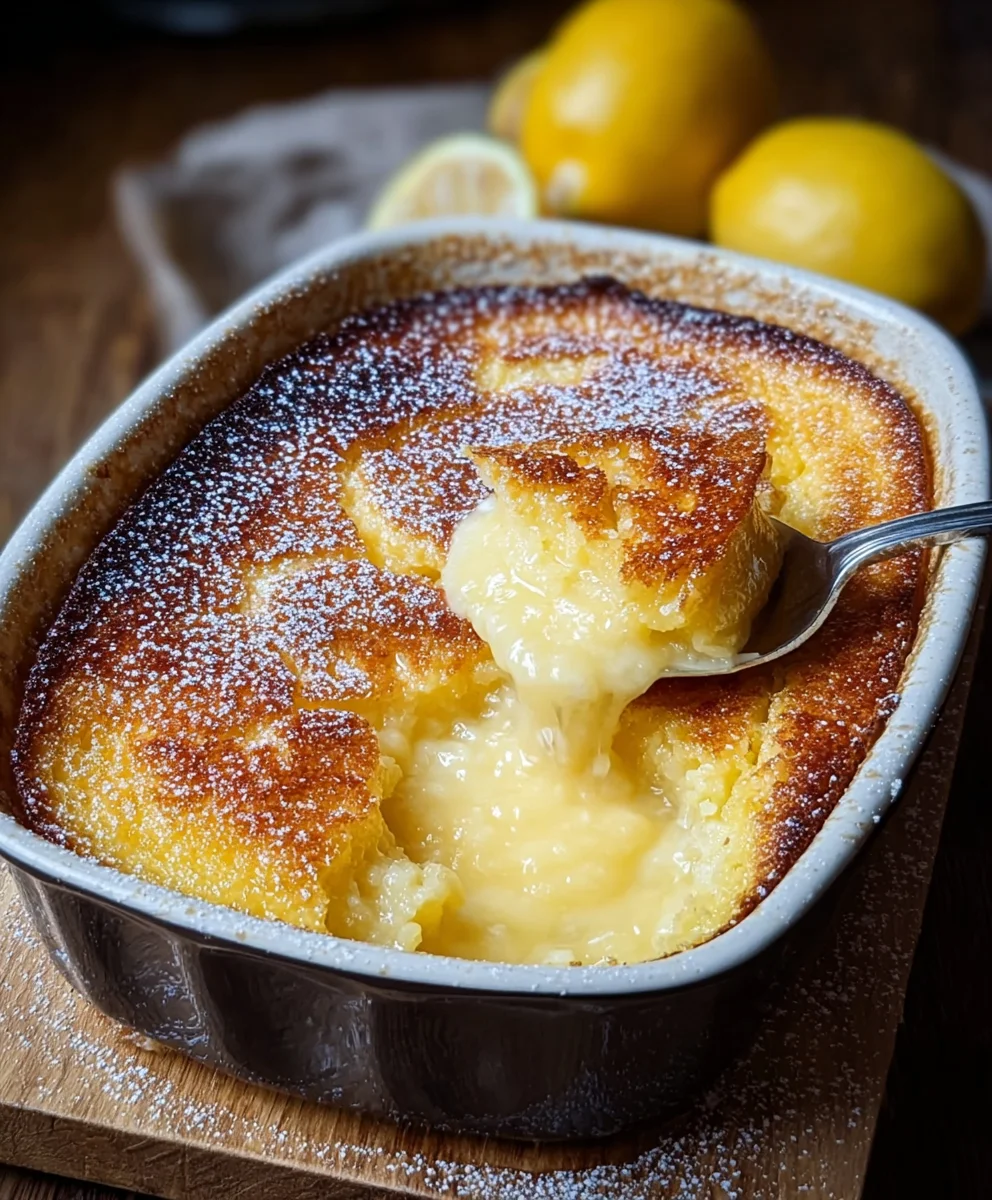
Jamie Oliver Self Saucing Lemon Pudding is the dessert that dreams are made of, and today, I’m sharing my absolute favorite way to recreate this iconic treat. Imagine a heavenly, fluffy cake on top, giving way to a luscious, tangy lemon sauce underneath – all from a single bake! It’s pure magic in a ramekin, and it’s no wonder why this Jamie Oliver Self Saucing Lemon Pudding has captured hearts (and taste buds) worldwide. The secret lies in its deceptive simplicity; it looks and tastes like a professional creation, yet it’s surprisingly straightforward to whip up, making it perfect for those weeknight cravings or when you want to impress guests without the stress. The bright, zesty citrus cuts through the richness, offering a delightful balance that’s both comforting and invigorating. Get ready to fall in love with this incredible dessert!

Ingredients:
- 55 g (1/4 cup) butter, plus extra for greasing
- 115 g (1/2 cup) sugar
- 1 lemon, zest and juice (about 3 tablespoons juice)
- 2 large free-range eggs
- 55 g (1/2 cup) self-raising flour
- 285 ml (1 1/4 cups) milk
Preparing the Pudding Base
The first crucial step in creating your Jamie Oliver Self Saucing Lemon Pudding is to prepare your pudding basin or individual ramekins. I like to use a medium-sized pudding basin, about 1.5-liter capacity. Generously grease the inside of your chosen dish with softened butter. This is essential to prevent the pudding from sticking and to ensure it turns out cleanly. Once greased, dust the inside lightly with a little extra sugar. This not only helps with release but also creates a lovely subtle caramelization on the outside of the pudding as it bakes. Set this aside while you prepare the batter.
Now, let’s get started on the pudding batter itself. In a medium mixing bowl, cream together the softened butter and the sugar. You want to beat these together until the mixture is light, fluffy, and pale in color. This process incorporates air into the batter, which will contribute to a lighter, more tender pudding. You can use an electric mixer for this, or a sturdy whisk and some elbow grease.
Once you have a light and fluffy mixture, it’s time to add the eggs. Crack the two large free-range eggs into the bowl, one at a time, beating well after each addition. If the mixture looks like it might be starting to curdle, don’t worry – just add a tablespoon of the self-raising flour with the second egg to help bind it together.
Next, we’ll incorporate the dry ingredients. Sift the 55 g (1/2 cup) of self-raising flour into the bowl with the wet ingredients. Sifting the flour is a good practice as it removes any lumps and aerates the flour, ensuring a smoother batter. Gently fold the flour into the wet mixture using a spatula or a wooden spoon. Be careful not to overmix at this stage; you just want to combine the ingredients until no dry streaks of flour remain. Overmixing can develop the gluten in the flour too much, leading to a tougher pudding.
Finally, gradually pour in the milk while continuing to gently fold or whisk until you have a smooth, pourable batter. You’re aiming for a consistency similar to thick cream. It should flow easily but not be too runny. At this point, you’ll add the flavor. Grate the zest of your lemon directly into the batter. Ensure you’re only grating the yellow part of the peel and avoiding the bitter white pith underneath. Then, add the juice of the lemon, which should be around 3 tablespoons. Gently fold these in to distribute the lemon flavor evenly throughout the batter.
Assembling and Baking
Pour the prepared pudding batter into your greased and sugared pudding basin or ramekins. Fill the dish about two-thirds to three-quarters full, leaving enough room for the pudding to rise as it cooks.
Now, it’s time to create the magical self-saucing element. In a separate jug or bowl, mix together the remaining sugar and flour that will form the sauce. You’ll need an additional 115 g (1/2 cup) of sugar and 55 g (1/2 cup) of self-raising flour for this. Whisk these dry ingredients together thoroughly. Then, add the juice of the lemon, which should be about 3 tablespoons. Finally, gradually whisk in 285 ml (1 1/4 cups) of milk until you have a smooth, lump-free sauce mixture.
Carefully and gently pour this sauce mixture over the back of a spoon onto the top of the pudding batter in your basin. This technique helps to distribute the sauce evenly and prevents it from sinking straight to the bottom. The pudding will rise through this sauce as it bakes, creating the delicious, syrupy layer.
Preheat your oven to 180°C (160°C fan/350°F/Gas Mark 4). Place your pudding basin into a larger roasting tin. Carefully pour hot (not boiling) water into the roasting tin, coming about halfway up the sides of the pudding basin. This water bath, or bain-marie, will help the pudding to cook gently and evenly, preventing the edges from becoming dry and ensuring a moist texture.
Carefully transfer the roasting tin with the pudding and water bath into the preheated oven. Bake for approximately 40-50 minutes for a large pudding, or 30-40 minutes for individual ramekins, or until the pudding is golden brown and a skewer inserted into the center comes out clean (avoiding the sauce layer). You’ll see the sauce bubbling enticingly around the edges.
Serving the Pudding
Once baked, carefully remove the pudding from the oven and the water bath. Let it stand for a few minutes before inverting it onto a serving plate. The self-saucing element will have settled beautifully underneath the cooked sponge. Serve your Jamie Oliver Self Saucing Lemon Pudding warm, perhaps with a dollop of clotted cream, a scoop of vanilla ice cream, or a drizzle of extra lemon juice if you’re feeling particularly zesty. Enjoy the wonderfully moist sponge and the irresistible tangy, sweet sauce!
Conclusion:
I hope you’ve had as much fun exploring the magic of the Jamie Oliver Self Saucing Lemon Pudding as I have! This delightful dessert is a true showstopper, transforming from a simple batter into a luscious, warm pudding with a rich, tangy sauce all in one baking dish. It’s the perfect balance of sweet and tart, with a wonderfully comforting texture that’s guaranteed to impress your friends and family. I encourage you to give this recipe a try; it’s surprisingly straightforward and the results are incredibly rewarding. Don’t be afraid to experiment and make it your own!
For serving, I absolutely adore this pudding warm, perhaps with a generous dollop of thick double cream, a scoop of vanilla bean ice cream, or even a scattering of fresh raspberries for a burst of color and freshness. It’s a fantastic finale to a Sunday roast or a special occasion meal.
As for variations, you could easily adapt this recipe to feature other citrus fruits like oranges or grapefruit for a different zesty twist. A touch of ginger in the batter could also add an interesting warmth. The possibilities are truly endless!
Frequently Asked Questions about Jamie Oliver Self Saucing Lemon Pudding:
Q1: Can I make the Jamie Oliver Self Saucing Lemon Pudding ahead of time?
While it’s best enjoyed fresh from the oven, you can prepare the batter up to a few hours in advance and keep it covered in the refrigerator. Just be aware that the sauce might not form quite as dramatically if the batter is too cold. For the absolute best texture and sauce formation, I recommend assembling and baking it relatively close to serving time.
Q2: My pudding didn’t self-sauce properly. What went wrong?
Several factors can contribute to this. Ensure your oven temperature is accurate and that you’ve followed the water bath instructions precisely. Sometimes, if the batter is too dense or the topping is too heavy, it can hinder the sauce’s ability to rise. Make sure you’re using the correct proportions of ingredients as specified in the recipe, and that your oven is properly preheated.
Jamie Oliver Self-Saucing Lemon Pudding Perfection
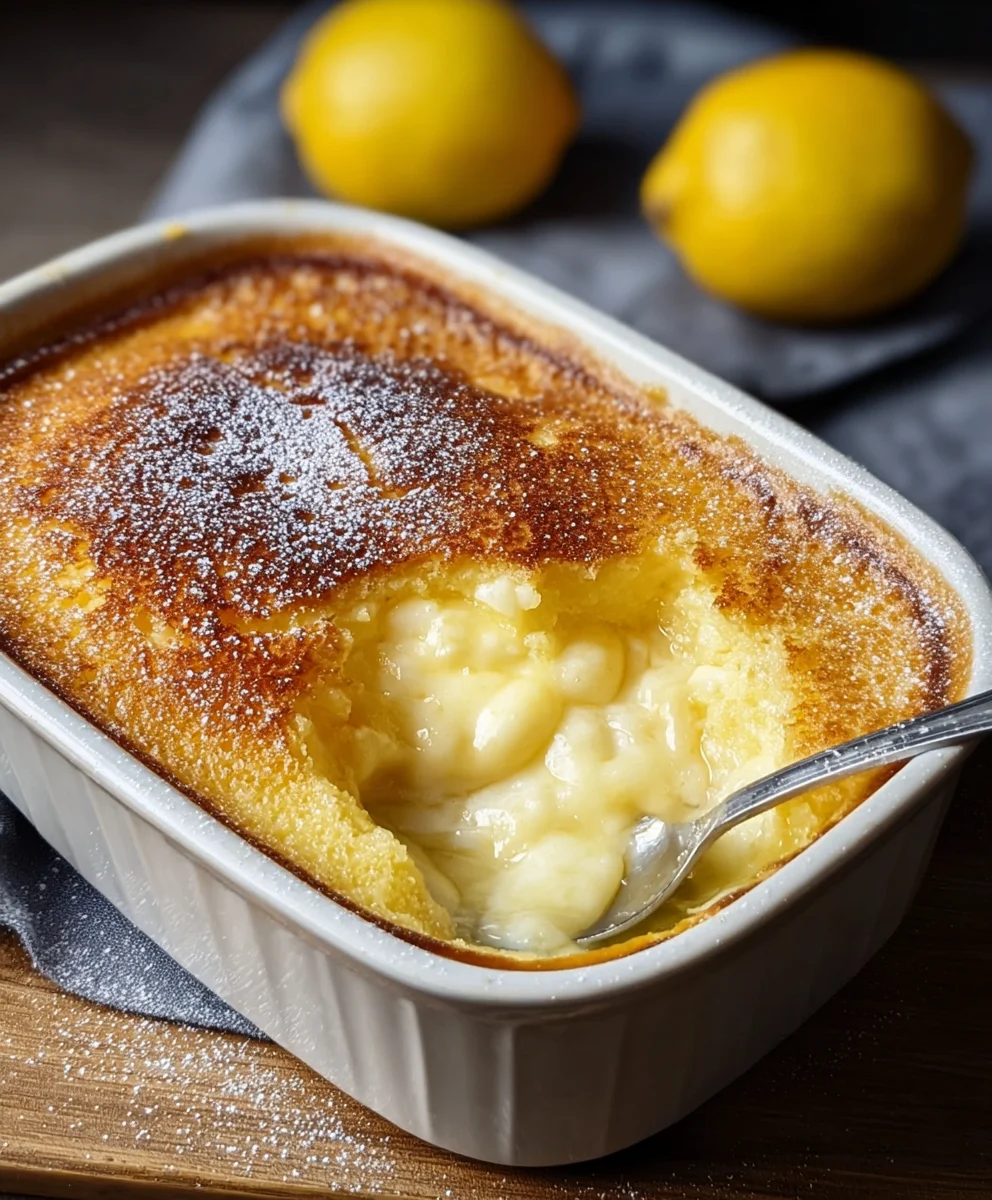
A delightfully moist lemon sponge pudding with a magical tangy, sweet self-saucing layer, inspired by Jamie Oliver.
Ingredients
-
55 g (1/4 cup) butter, plus extra for greasing
-
115 g (1/2 cup) sugar
-
1 lemon, zest and juice (about 3 tablespoons juice)
-
2 large free-range eggs
-
55 g (1/2 cup) self-raising flour
-
285 ml (1 1/4 cups) milk
Instructions
-
Step 1
Generously grease a pudding basin or ramekins with butter and dust lightly with sugar. Set aside. -
Step 2
In a bowl, cream together softened butter and sugar until light and fluffy. Beat in eggs one at a time. -
Step 3
Gently fold in sifted self-raising flour until just combined. Gradually whisk in milk until you have a smooth, pourable batter. -
Step 4
Fold in the lemon zest and juice into the pudding batter. -
Step 5
Pour the batter into the prepared basin. In a separate jug, mix the remaining sugar, flour, lemon juice, and milk to create the sauce. Gently pour the sauce over the back of a spoon onto the pudding batter. -
Step 6
Place the pudding basin in a roasting tin and fill with hot water halfway up the sides. Bake at 180°C (160°C fan) for 40-50 minutes (large pudding) or 30-40 minutes (ramekins) until golden and a skewer comes out clean. -
Step 7
Let stand for a few minutes, then invert onto a serving plate. Serve warm.
Important Information
Nutrition Facts (Per Serving)
It is important to consider this information as approximate and not to use it as definitive health advice.
Allergy Information
Please check ingredients for potential allergens and consult a health professional if in doubt.



Leave a Comment