
Honey Dijon Chicken is more than just a meal; it’s a symphony of sweet, tangy, and savory flavors that dance on your palate. If you’re searching for a dish that’s both comforting and elegant, something that will impress your family or a dinner party without requiring hours in the kitchen, then you’ve found your answer. What is it about this particular combination that makes it so universally loved? Perhaps it’s the perfect balance: the golden sweetness of honey cuts through the sharp, zesty bite of Dijon mustard, creating a glaze that caramelizes beautifully and clings to tender chicken pieces. It’s a classic pairing that never fails to deliver satisfaction, offering a sophisticated yet approachable taste that appeals to a wide range of palates. We’re about to embark on a culinary adventure to create the ultimate Honey Dijon Chicken, a recipe designed to be both simple enough for a weeknight and special enough for an occasion. Get ready to discover the magic that happens when these humble ingredients come together.

Ingredients:
- 1/4 cup honey
- 2 tablespoons Dijon mustard
- 2 tablespoons whole grain Dijon mustard
- 2 tablespoons apple cider vinegar
- 1 tablespoon soy sauce
- 2 cloves garlic, minced
- Salt and freshly ground black pepper, to taste
- 1/2 cup chicken broth
- 1 pound boneless, skinless chicken breasts
- 2-3 sprigs fresh rosemary
Preparing the Honey Dijon Chicken
The Honey Dijon Marinade/Sauce
This Honey Dijon Chicken recipe is all about creating a flavorful, slightly sweet, and tangy coating for tender chicken. We’ll start by crafting the star of the show: the Honey Dijon marinade and sauce. In a medium bowl, combine the liquid gold of 1/4 cup honey with the zesty punch of 2 tablespoons of Dijon mustard. Don’t stop there! We’re going to layer in even more complex mustard flavor by adding 2 tablespoons of whole grain Dijon mustard. The whole grain variety adds a delightful textural element and a more robust mustard note that complements the smooth Dijon beautifully.
Next, we’ll introduce a touch of acidity to balance the sweetness of the honey. Pour in 2 tablespoons of apple cider vinegar. This vinegar offers a subtle fruitiness and a pleasant tang that cuts through richness. For a touch of umami and depth, add 1 tablespoon of soy sauce. If you’re watching your sodium intake, you can opt for a lower-sodium soy sauce. Now, for the aromatic foundation: mince 2 cloves of garlic. The pungent aroma and flavor of fresh garlic are essential here, so don’t skimp! Give everything a good whisk until it’s thoroughly combined and the mixture is smooth and emulsified. This vibrant mixture will not only marinate our chicken but will also form the base of a delicious pan sauce later. Finally, season this beautiful concoction generously with salt and freshly ground black pepper to taste. Remember, you can always add more salt later, so start with a moderate amount and adjust as needed.
Preparing the Chicken
While our marinade is ready, let’s turn our attention to the chicken. You’ll need 1 pound of boneless, skinless chicken breasts. For even cooking and to ensure the chicken absorbs the marinade effectively, it’s a good idea to pound the chicken breasts to an even thickness. You can do this by placing each chicken breast between two pieces of plastic wrap or inside a resealable plastic bag and gently pounding them with the flat side of a meat mallet or even a heavy rolling pin. Aim for about 1/2 to 3/4 inch thickness. This step is crucial for preventing some parts of the chicken from overcooking while others are still raw.
Once pounded, place the chicken breasts in a shallow dish or a resealable plastic bag. Pour about half of our prepared Honey Dijon mixture over the chicken, ensuring each piece is well-coated. Reserve the remaining half of the marinade for later. If you have time, allow the chicken to marinate for at least 30 minutes at room temperature, or for up to 2 hours in the refrigerator. Marinating infuses the chicken with flavor and helps to tenderize it. While the chicken is marinating, prepare your fresh rosemary. You’ll need 2-3 sprigs. Gently strip the leaves from the woody stems and give them a rough chop. Set these aside.
Cooking the Honey Dijon Chicken
Searing the Chicken
Now, let’s get cooking! Heat a large skillet over medium-high heat. Add a tablespoon of your preferred cooking oil, such as olive oil or avocado oil. Once the oil is shimmering hot, carefully place the marinated chicken breasts in the skillet. Be sure not to overcrowd the pan; cook in batches if necessary to ensure each piece gets a good sear. Sear the chicken for about 4-5 minutes per side, or until it develops a beautiful golden-brown crust. This searing process locks in the juices and creates a wonderful texture. While the chicken is searing, you can add the chopped rosemary to the pan for the last minute of searing. This will lightly toast the rosemary, releasing its aromatic oils and infusing the chicken with its fragrant essence.
Deglazing and Sauce Development
Once the chicken is nicely seared on both sides, remove it from the skillet and set it aside on a plate. Do not clean the skillet! All those browned bits stuck to the bottom of the pan are packed with flavor and are essential for our sauce. Reduce the heat to medium. Now, carefully pour in 1/2 cup of chicken broth. Use a wooden spoon or spatula to scrape up all those delicious browned bits from the bottom of the pan. This process is called deglazing, and it’s key to building a rich and flavorful sauce. Let the chicken broth simmer for a minute or two, allowing it to reduce slightly and pick up all those savory notes.
Finishing the Chicken and Sauce
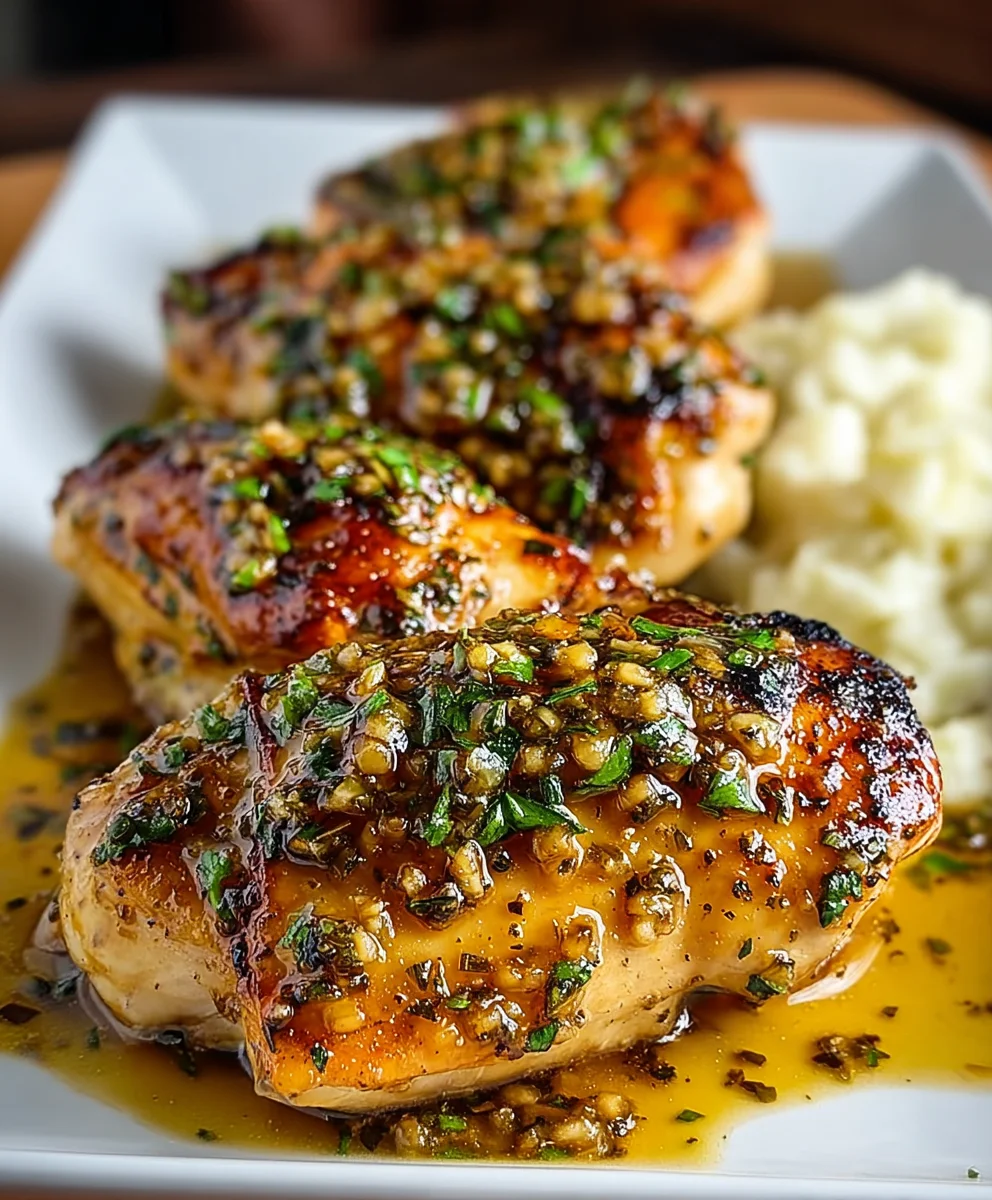
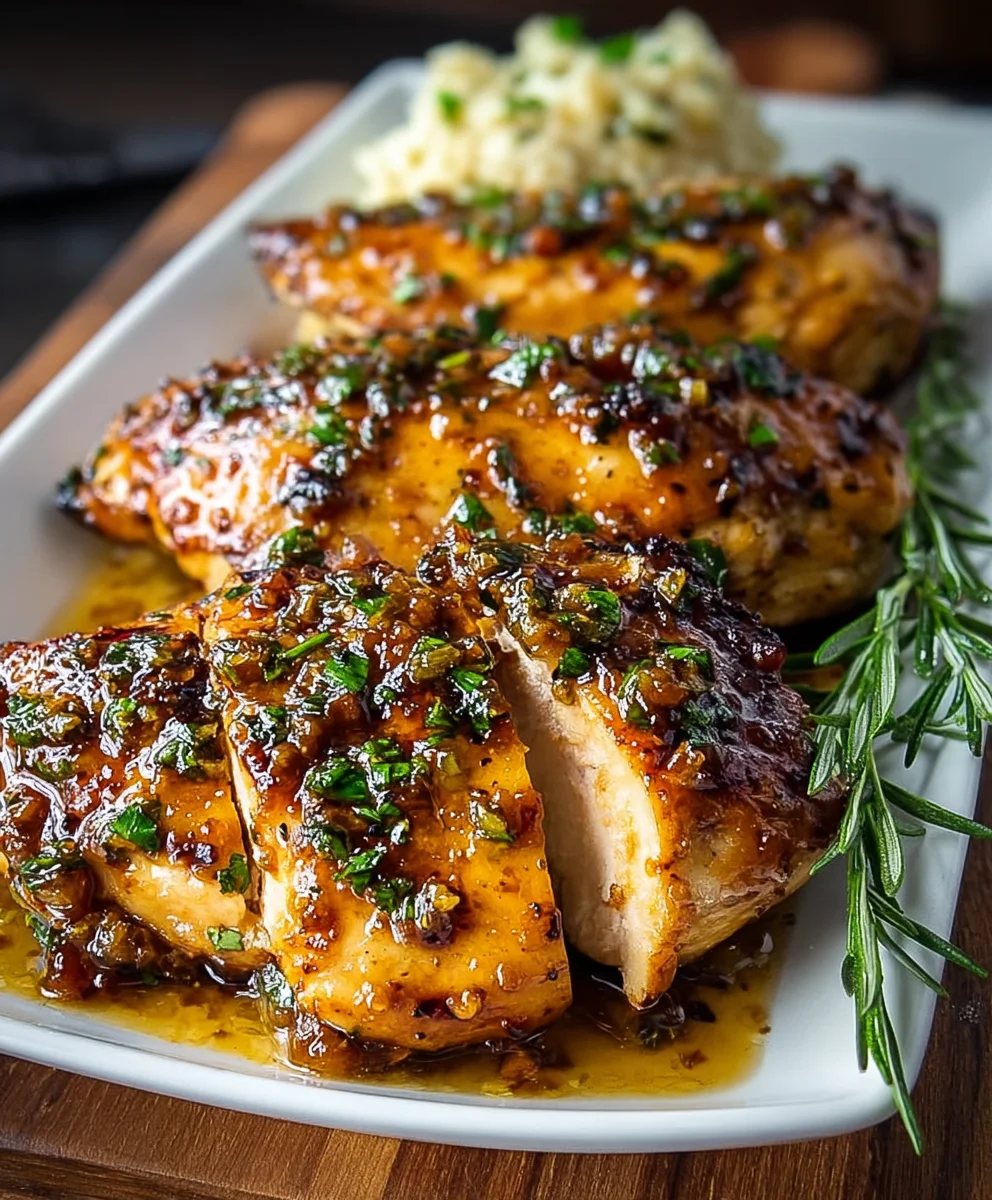
Return the seared chicken breasts to the skillet. Now, pour the reserved half of your Honey Dijon marinade over the chicken. Gently spoon some of the sauce and broth mixture over the chicken breasts as they simmer. Continue to cook for another 5-7 minutes, or until the chicken is cooked through and reaches an internal temperature of 165 degrees Fahrenheit (74 degrees Celsius). The sauce should thicken slightly as it simmers. If you prefer a thicker sauce, you can create a slurry by mixing 1 teaspoon of cornstarch with 1 tablespoon of cold water and whisking it into the simmering sauce. Let it cook for another minute until thickened. Taste the sauce and adjust seasoning with salt and pepper if needed. The honey and Dijon should create a wonderfully glossy and flavorful sauce that coats the chicken perfectly. Serve immediately, spooning the luscious Honey Dijon sauce generously over the chicken.
Conclusion:
There you have it! A simple yet incredibly flavorful Honey Dijon Chicken recipe that’s perfect for a weeknight dinner or a special occasion. This dish is all about balance – the sweet honey harmonizes beautifully with the tangy Dijon mustard, creating a glaze that’s simply irresistible. I’ve found this Honey Dijon Chicken to be a reliable crowd-pleaser, and it’s so adaptable.
For serving suggestions, I love pairing it with fluffy mashed potatoes or creamy polenta to soak up that delicious sauce. A side of roasted asparagus or steamed green beans adds a fresh, healthy element. If you’re looking for variations, feel free to experiment! You can add a pinch of garlic powder or a dash of smoked paprika to the glaze for an extra layer of flavor. A sprinkle of fresh parsley or chives at the end really brightens up the presentation. Don’t be afraid to make this recipe your own – cooking should be an adventure! I hope you enjoy making and, more importantly, eating this delightful Honey Dijon Chicken as much as I do.
Frequently Asked Questions:
Can I make Honey Dijon Chicken ahead of time?
Yes, you absolutely can! You can prepare the chicken and glaze separately and store them in the refrigerator for up to 2 days. When ready to cook, simply bake or pan-sear as directed, adding the glaze towards the end of the cooking process to prevent it from burning.
What are some other ways to serve Honey Dijon Chicken?
Beyond the suggested sides, this Honey Dijon Chicken is fantastic served over a bed of quinoa or rice for a lighter meal. It also works wonderfully in sandwiches or wraps, shredded and mixed with the Dijon glaze, or sliced and served cold atop a vibrant salad.
Easy Honey Dijon Chicken Recipe-Flavorful Dinner
A simple and flavorful recipe for Honey Dijon Chicken, perfect for a quick and delicious dinner.
Ingredients
-
1/4 cup honey
-
2 tablespoons Dijon mustard
-
2 tablespoons whole grain Dijon mustard
-
2 tablespoons apple cider vinegar
-
1 tablespoon soy sauce
-
2 cloves garlic, minced
-
Salt and freshly ground black pepper, to taste
-
1/2 cup chicken broth
-
1 pound boneless, skinless chicken breasts
-
2-3 sprigs fresh rosemary
Instructions
-
Step 1
In a medium bowl, combine honey, Dijon mustard, whole grain Dijon mustard, apple cider vinegar, soy sauce, minced garlic, salt, and pepper. Whisk until smooth. -
Step 2
Pound chicken breasts to an even thickness of about 1/2 to 3/4 inch. Place chicken in a shallow dish and pour half of the honey Dijon mixture over it, ensuring it’s well-coated. Marinate for at least 30 minutes at room temperature or up to 2 hours in the refrigerator. Reserve the remaining marinade. -
Step 3
Heat a tablespoon of cooking oil in a large skillet over medium-high heat. Sear the marinated chicken for 4-5 minutes per side until golden brown. Add chopped rosemary during the last minute of searing. -
Step 4
Remove chicken from skillet and set aside. Reduce heat to medium. Pour chicken broth into the skillet and scrape up any browned bits from the bottom. -
Step 5
Return chicken to the skillet. Pour the reserved honey Dijon marinade over the chicken. Spoon some sauce over the chicken as it simmers for 5-7 minutes, or until cooked through and reaching an internal temperature of 165°F (74°C). -
Step 6
If a thicker sauce is desired, mix 1 teaspoon cornstarch with 1 tablespoon cold water to form a slurry, then whisk into the simmering sauce and cook for another minute until thickened. Adjust seasoning with salt and pepper if needed. Serve immediately, spooning the sauce over the chicken.
Important Information
Nutrition Facts (Per Serving)
It is important to consider this information as approximate and not to use it as definitive health advice.
Allergy Information
Please check ingredients for potential allergens and consult a health professional if in doubt.

Leave a Comment