

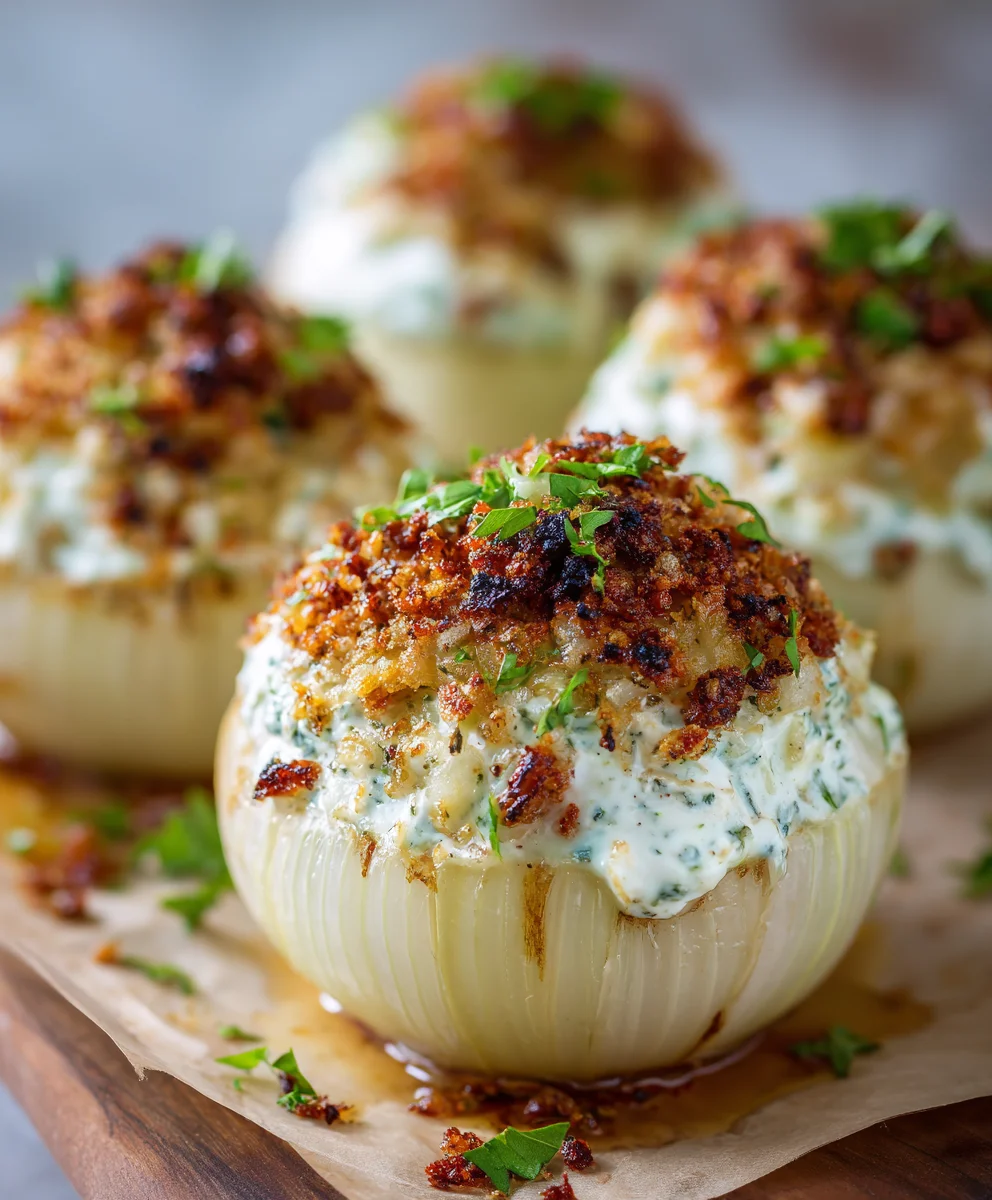
Greek Stuffed Onions are a dish that will utterly transform your perception of this humble root vegetable. Forget everything you thought you knew about onions and prepare to have your culinary preconceptions delightfully overturned. I’m incredibly excited to share with you a recipe that elevates the sweet, pungent onion into a true centerpiece, bursting with savory flavors and aromatic herbs. This isn’t just a side dish; it’s a testament to the magic that happens when simple, fresh ingredients are given the time and care they deserve in traditional Mediterranean cooking.
The Heart of Greek Home Cooking: Why These Stuffed Onions Captivate
Rooted deeply in the rich tradition of Greek cuisine, where ‘gemista’ (stuffed vegetables) are a beloved staple, these stuffed onions embody comfort, flavor, and wholesome goodness. They offer a unique twist on the more common stuffed tomatoes or peppers, showcasing the incredible depth of flavor that develops as the onions slowly caramelize while baking. People adore this dish for its incredible balance: the inherent sweetness of the tender, melt-in-your-mouth onion perfectly complements a savory, herbaceous filling, often made with rice, ground meat (or lentils for a vegetarian option), and fresh herbs like mint and dill. The texture is a delightful contrast of soft, yielding onion and a perfectly cooked, flavorful interior. Preparing these Greek Stuffed Onions is a rewarding experience, leading to a meal that is both comforting and surprisingly elegant, perfect for a cozy family dinner or an impressive gathering.

Ingredients:
- 6 large yellow or sweet onions, peeled
- Salt, for seasoning and water
- 1 tablespoon olive oil
- 1 lb ground beef (or ground lamb for variation)
- 1/2 cup long-grain rice (rinsed and soaked for 10 minutes)
- 1 small onion, finely chopped
- 2 cloves garlic, minced
- 1/4 cup fresh parsley, chopped
- 2 tablespoons fresh mint, chopped (or 1 tsp dried)
- 1 teaspoon ground allspice
- 1/2 teaspoon ground cinnamon
- Salt and pepper, to taste
- 2 tablespoons olive oil
- 2 cloves garlic, minced
- 1 can (14 oz) crushed tomatoes
Preparing the Magnificent Onions
Ah, the humble onion! In Greek cuisine, it transforms into something truly special when lovingly stuffed. Our journey begins with preparing these beautiful vessels.
- Choose Your Onions Wisely: First, select your six large yellow or sweet onions. Sweet onions, like Vidalias or Walla Wallas, will offer a milder, naturally sweeter base for your filling, while yellow onions provide a more traditional, robust flavor. Peel them carefully, removing only the dry outer skins and keeping the onion intact. We want them whole and ready for their transformation.
- Blanching for Pliability: This crucial step makes the onions soft enough to handle without breaking and pliable enough to stuff. In a large, deep pot, bring a generous amount of salted water to a rolling boil. The salt isn’t just for flavor; it helps season the onions from within. Carefully place the peeled whole onions into the boiling water. Reduce the heat to a simmer and let them cook for approximately 25-30 minutes, or until they are tender enough to pierce with a fork but still hold their shape. You’ll notice their color will mellow, and they’ll feel noticeably softer. This process is about softening, not cooking through completely, as they will finish cooking later with the filling.
- Cooling and Hollowing: Once blanched, use a slotted spoon to carefully remove the onions from the hot water and transfer them to a bowl of ice water or a large colander to cool down completely. This stops the cooking process and makes them easier to handle. Once cool enough to touch, it’s time for the delicate art of hollowing. Place an onion on a cutting board, root end up. Using a small, sharp paring knife, carefully cut a circular incision around the core, being mindful not to cut all the way through the base. Then, using a spoon or a small melon baller, gently scoop out the inner layers of the onion, leaving about three to four sturdy outer layers to form the “cup.” Be patient and gentle; we don’t want to break the onion walls!
- Utilizing the Inner Layers: Don’t discard those precious scooped-out onion insides! While our recipe specifically calls for a separate small onion for the filling, these inner layers are packed with flavor. You can finely chop a good portion of them and set them aside. They can be added to the bottom of your cooking pot as an aromatic bed for the stuffed onions, or even sautéed lightly and folded into the tomato sauce for an extra layer of oniony goodness. This is a chef’s secret for maximizing flavor and minimizing waste!
Crafting the Flavorful Filling for Our Greek Stuffed Onions
Now, for the heart of our dish – the rich, aromatic filling. This mixture is a beautiful blend of savory meat, fluffy rice, and vibrant herbs, all perfumed with classic Greek spices. It’s what truly defines “Greek Stuffed Onions.”
- Building the Flavor Base: In a large skillet or frying pan, heat 1 tablespoon of olive oil over medium heat. Add the finely chopped small onion (which is separate from the large onions we hollowed). Sauté gently for about 5-7 minutes until it becomes translucent and softened, releasing its sweet aroma. Then, add the 2 cloves of minced garlic for the filling, stirring for another minute until fragrant. Be careful not to burn the garlic; a gentle golden color is perfect. This creates a foundational layer of flavor for our meat.
- Browning the Ground Meat: Add your 1 lb of ground beef (or ground lamb if you’re leaning into a more traditional Greek flavor profile) to the pan with the sautéed onion and garlic. Break up the meat with a wooden spoon and cook, stirring occasionally, until it’s fully browned and no pink remains. This step is essential for developing a deep, savory flavor. Once browned, drain off any excess fat from the pan. We want all the flavor, but not the greasiness.
- Incorporating the Rice: Now, stir in the 1/2 cup of long-grain rice that you have already rinsed and soaked for 10 minutes. Rinsing removes excess starch, preventing stickiness, and soaking helps the rice cook more evenly and quickly within the onion. Mix the rice thoroughly with the meat and onion mixture. The rice will absorb some of the meat juices and begin to slightly toast, adding another dimension of flavor.
- The Herb and Spice Symphony: This is where the filling truly comes alive with its Greek character. Remove the skillet from the heat. Stir in the 1/4 cup of fresh parsley, chopped, and the 2 tablespoons of fresh mint, chopped (or 1 tsp dried mint, if fresh isn’t available). The fresh herbs bring a bright, herbaceous counterpoint to the rich meat. Next, add the warm, earthy spices: 1 teaspoon of ground allspice and 1/2 teaspoon of ground cinnamon. These spices, especially cinnamon, are hallmarks of savory Greek dishes and will infuse the filling with an incredibly comforting and aromatic profile.
- Seasoning to Perfection: Finally, season the filling generously with salt and pepper to taste. Remember, this filling needs to carry the flavor for the entire dish. Mix everything together really well. At this stage, you’ll be greeted by an incredibly enticing aroma – a preview of the deliciousness to come!
Assembling the Greek Stuffed Onions
With our onions prepped and our filling bursting with flavor, it’s time to bring them together in a harmonious union. This step requires a gentle touch and careful arrangement.
- Filling the Onions: Take each hollowed onion cup and gently spoon in the prepared meat and rice filling. It’s important not to overpack the onions. The rice will expand during cooking, and if it’s too tightly packed, the onions might burst, or the rice could remain undercooked. Fill each onion cavity to about three-quarters full, leaving a little room at the top for expansion. You can use your fingers or the back of a spoon to gently press the filling down, but avoid compacting it too much.
- Preparing the Cooking Pot: Choose a large, heavy-bottomed pot or a Dutch oven that is wide enough to hold all six stuffed onions snugly in a single layer. If you chopped some of the reserved inner onion layers, now is a great time to scatter them across the bottom of the pot. This creates a natural barrier, preventing the onions from sticking, and adds an extra layer of oniony flavor to the cooking liquid.
- Arranging the Stuffed Onions: Carefully place the filled onions into the prepared pot, arranging them snugly side-by-side. You want them to fit closely so they support each other during the long braising process, which helps them maintain their shape. If your pot is large enough, you might even have room for a second layer, but a single layer generally cooks more evenly.
The Aromatic Tomato Sauce and Braising Process
The final, crucial step is creating the luscious tomato sauce that will bathe and tenderize our stuffed onions, infusing them with rich, savory moisture as they slowly cook to perfection.
- Building the Sauce Base: In a separate small saucepan, heat the remaining 2 tablespoons of olive oil over medium heat. Add the 2 cloves of minced garlic (these are for the sauce, separate from the filling garlic). Sauté for about 30 seconds to a minute, just until fragrant. Be vigilant here, as garlic burns quickly!
- Introducing the Tomatoes: Pour in the 1 can (14 oz) of crushed tomatoes. Stir well to combine with the fragrant garlic. Add a pinch of salt and pepper to the sauce, tasting and adjusting as needed. If the sauce seems too thick, you can add about 1/4 to 1/2 cup of water or vegetable broth to thin it slightly. We want a sauce that can gently simmer and seep into the onions, not a dense paste. Bring the sauce to a gentle simmer.
- Saucing and Submerging: Carefully pour the warm tomato sauce evenly over the arranged stuffed onions in the pot. The sauce should cover a good portion of the onions. Then, gently add enough hot water or broth to the pot so that the onions are about halfway to two-thirds submerged in liquid. This ensures they will cook through evenly and remain moist. You don’t want them completely drowned, but rather gently braised in the flavorful liquid. A good tip is to place a small plate directly on top of the onions before adding the liquid; this helps to keep them submerged and prevents the filling from escaping.
- The Slow Simmer Transformation: Bring the liquid in the pot to a gentle simmer over medium-high heat. Once simmering, reduce the heat to low, cover the pot tightly, and let the Greek Stuffed Onions braise gently for approximately 1 hour to 1 hour and 30 minutes. The cooking time will depend on the size and initial tenderness of your onions. During this time, the onions will become incredibly tender, almost meltingly soft, and the rice in the filling will fully cook, absorbing all the wonderful flavors of the meat, herbs, spices, and tomato sauce.
- Checking for Doneness: After about an hour, gently check an onion with a fork. It should be very tender and yield easily. Also, take a small taste of the filling from one of the onions (be careful, it will be hot!) to ensure the rice is cooked through and tender. If the liquid reduces too much during cooking, you can add a little more hot water or broth.
- Resting and Serving: Once cooked, remove the pot from the heat and let it rest, covered, for about 10-15 minutes. This brief resting period allows the flavors to meld further and the onions to settle. These Greek Stuffed Onions are magnificent served warm, often garnished with a sprinkle of fresh parsley or an extra drizzle of good quality olive oil. Many Greeks enjoy them with a dollop of cool, plain Greek yogurt or a squeeze of fresh lemon juice, which provides a lovely contrast to the richness of the dish. They make a fantastic main course, perhaps accompanied by a simple green salad and some crusty bread to sop up all that delicious sauce. Enjoy this taste of Greece!
Conclusion:
And there you have it, my friends! We’ve journeyed together through the delightful process of creating a dish that isn’t just food, but a true culinary experience. This isn’t just another dinner idea; it’s a testament to how simple, wholesome ingredients can come together to form something truly spectacular. I’m genuinely excited for you to bring this recipe to life in your own kitchen. Imagine the aroma filling your home – that sweet, savory perfume of tender onions, rich filling, and fragrant herbs, slow-cooked to absolute perfection. It’s an invitation to savor a meal that speaks of tradition, warmth, and incredibly satisfying flavors.
What makes this particular dish a true must-try is its remarkable balance. The natural sweetness of the onion, softened until it practically melts in your mouth, perfectly complements the robust, savory heartiness of the filling. Every bite offers a symphony of textures and tastes – from the yielding exterior to the perfectly seasoned, flavorful interior. It’s comforting, it’s nourishing, and surprisingly, it’s not nearly as complicated as it might seem. I’ve found that even on busy weeknights, the effort put into preparing these is handsomely rewarded with a meal that feels both special and deeply satisfying. It’s the kind of meal that encourages conversation, makes you slow down, and truly enjoy the moment around the dinner table.
Serving Suggestions & Creative Variations to Elevate Your Meal:
While these are absolutely divine straight out of the oven, perhaps with just a simple drizzle of good olive oil and a sprinkle of fresh parsley, there are so many ways to enjoy them. For a light yet complete meal, I love serving them alongside a crisp, vibrant green salad dressed with a lemony vinaigrette. The brightness of the salad cuts through the richness beautifully. If you’re looking for something a bit heartier, a side of fluffy lemon rice or a generous scoop of creamy mashed potatoes would be utterly divine, soaking up all those wonderful juices. Don’t forget some crusty bread for dipping into any remaining sauce – trust me, you won’t want to leave a single drop behind!
Now, let’s talk about variations, because cooking should always be an adventure! While the classic recipe is magnificent, feel free to put your own spin on it. For instance, if you’re looking to make this a vegetarian delight, you can easily substitute the meat filling with a mixture of cooked lentils, rice, finely chopped mushrooms, and perhaps some toasted walnuts for added texture and richness. For a vegan option, simply omit any dairy and ensure your broth is vegetable-based. You could also experiment with different herbs – a pinch of fresh mint or dill could add a wonderful freshness to the filling. And if you’re a cheese lover, a sprinkle of crumbled feta or grated kefalotyri over the top in the last few minutes of baking would add an irresistible salty tang and a beautiful golden crust. These are just a few ideas to get your creative juices flowing and make this recipe truly your own.
So, what are you waiting for? I genuinely hope this guide has inspired you to roll up your sleeves and give these incredible Greek Stuffed Onions a try. They are a dish that truly embodies the heart of Mediterranean cooking – simple ingredients transformed into something extraordinary. When you do make them, I’d absolutely love to hear about your experience! Did you stick to the classic, or did you venture into your own variations? What did your family and friends think? Please don’t hesitate to share your photos and stories with me on social media or in the comments below. Your feedback and creativity inspire me and our entire community of home cooks. Happy cooking, and enjoy every single mouthwatering bite!
Frequently Asked Questions (FAQs)
Can I prepare the Greek Stuffed Onions ahead of time?
Absolutely! This is one of those dishes that actually tastes even better the next day as the flavors have more time to meld and deepen. You can prepare them entirely and bake just before serving, or bake them fully and gently reheat. If baking later, cover them and refrigerate for up to 2 days. Allow them to come closer to room temperature before baking, and you might need to add a few extra minutes to the baking time.
What kind of onions are best for stuffing?
For this recipe, large, round, and firm yellow or Spanish onions are ideal. They have a good balance of sweetness and firmness that holds up well during the cooking process. Look for onions that are roughly the same size to ensure even cooking.
Can I freeze leftover Stuffed Onions?
Yes, you can! Once fully cooked and cooled, place them in an airtight freezer-safe container or wrap individually in plastic wrap and then foil. They can be frozen for up to 2-3 months. To reheat, thaw them in the refrigerator overnight and then warm them gently in the oven or microwave until heated through. You might want to add a splash of broth or water to prevent them from drying out.
What if I don’t have fresh herbs? Can I use dried?
While fresh herbs always offer the best flavor, you can definitely substitute with dried herbs. As a general rule, use about one-third of the amount of dried herbs compared to fresh. So, if the recipe calls for 1 tablespoon of fresh parsley, use 1 teaspoon of dried parsley. Just remember that dried herbs are more potent!
Can I make this recipe vegetarian or vegan?
Yes, absolutely! To make it vegetarian, substitute the ground meat with a mixture of cooked brown rice, lentils, finely chopped mushrooms, and vegetables like carrots and celery. You can also add some toasted walnuts for texture. For a vegan version, ensure your broth is vegetable-based and omit any cheese or dairy, if applicable to your chosen filling variation. The essence of the dish, the tender stuffed onion, remains wonderfully delicious.
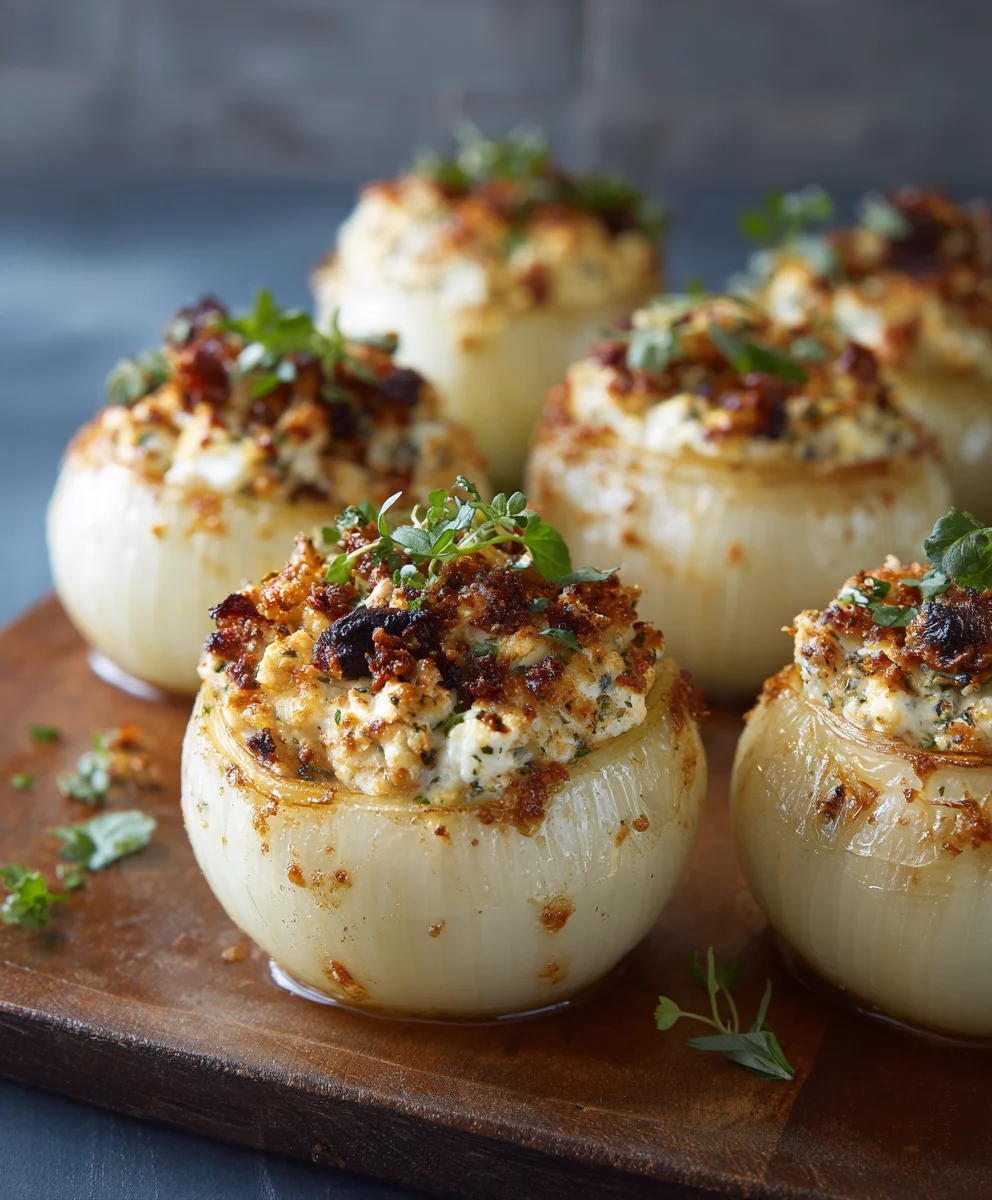
Authentic Greek Stuffed Onions – Savory Beef Filling
A classic Greek dish featuring large onions lovingly stuffed with a savory mixture of seasoned ground beef, rice, fresh herbs, and aromatic spices, all slow-braised in a rich tomato sauce until meltingly tender.
Ingredients
-
6 large yellow or sweet onions
-
Salt
-
3 tablespoons olive oil
-
1 lb ground beef
-
1/2 cup long-grain rice (rinsed)
-
1 small onion, finely chopped
-
4 cloves garlic, minced
-
1/4 cup fresh parsley, chopped
-
2 tablespoons fresh mint, chopped
-
1 teaspoon ground allspice
-
1/2 teaspoon ground cinnamon
-
Salt and pepper, to taste
-
1 (14 oz) can crushed tomatoes
Instructions
-
Step 1
Peel 6 large onions. In a large pot of salted boiling water, blanch whole onions for 25-30 minutes until tender. Cool in ice water, then carefully hollow out the centers, leaving 3-4 outer layers. Finely chop scooped-out onion insides for later use (optional). -
Step 2
Heat 1 tbsp olive oil in a skillet. Sauté 1 finely chopped small onion and 2 minced garlic cloves for 5-7 minutes. Add 1 lb ground beef, brown completely, then drain fat. Stir in 1/2 cup rinsed long-grain rice, 1/4 cup chopped parsley, 2 tbsp chopped fresh mint, 1 tsp ground allspice, 1/2 tsp ground cinnamon, salt, and pepper. Mix well. -
Step 3
Gently spoon the filling into each hollowed onion cup, filling about three-quarters full. Arrange stuffed onions snugly in a large, heavy-bottomed pot or Dutch oven, optionally over a bed of chopped onion insides. -
Step 4
In a small saucepan, heat 2 tbsp olive oil. Sauté 2 minced garlic cloves for 30 seconds. Pour in 1 (14 oz) can crushed tomatoes; season with salt and pepper. Bring to a simmer. Pour the warm tomato sauce over the stuffed onions. Add enough hot water or broth to submerge onions halfway to two-thirds. Place a small plate on top to keep onions submerged. Bring to a gentle simmer, then cover and braise on low heat for 1 hour to 1 hour 30 minutes, until onions are very tender and rice is cooked. -
Step 5
Remove from heat and let rest, covered, for 10-15 minutes. Serve warm, garnished with fresh parsley or a dollop of Greek yogurt, with a squeeze of lemon juice.
Important Information
Nutrition Facts (Per Serving)
It is important to consider this information as approximate and not to use it as definitive health advice.
Allergy Information
Please check ingredients for potential allergens and consult a health professional if in doubt.

Leave a Comment